
Whole-system duct and dryer vent check with before-and-after photos - you see exactly what came out of your vents
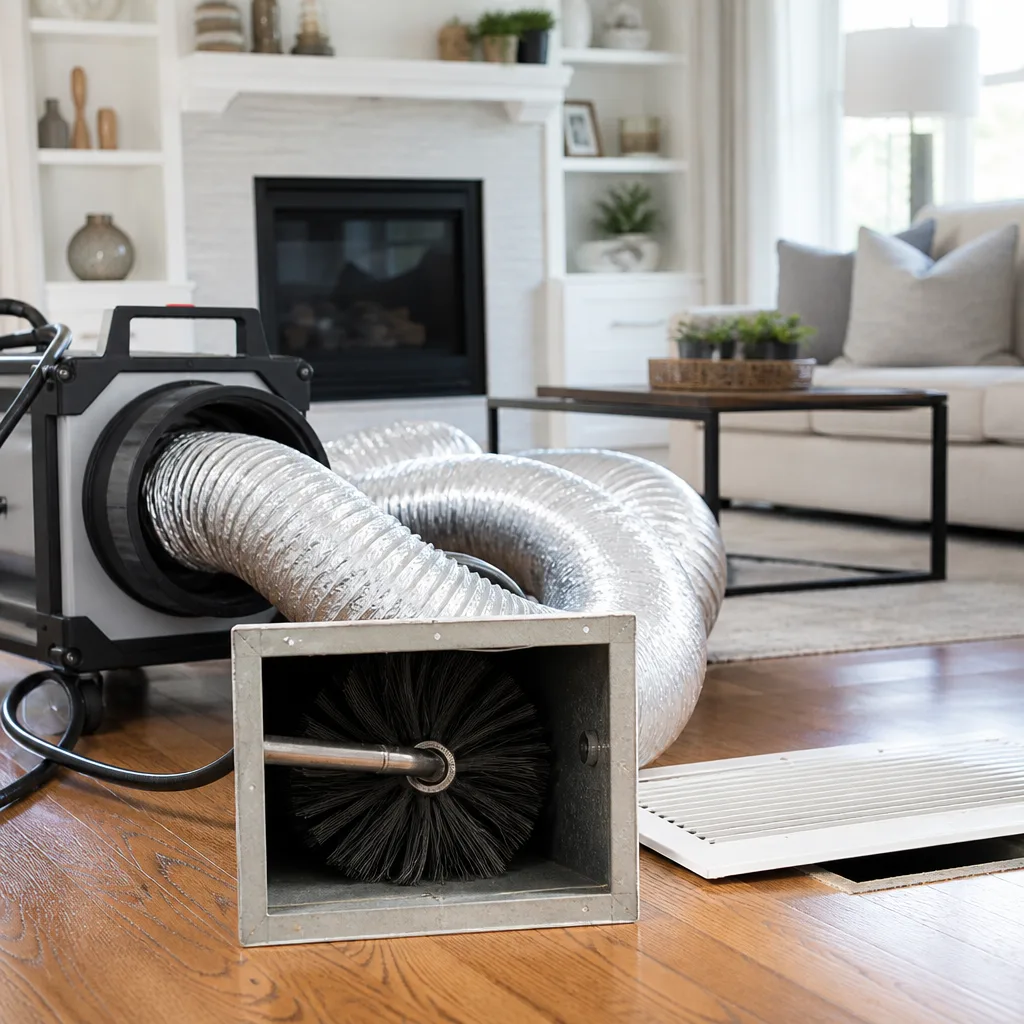
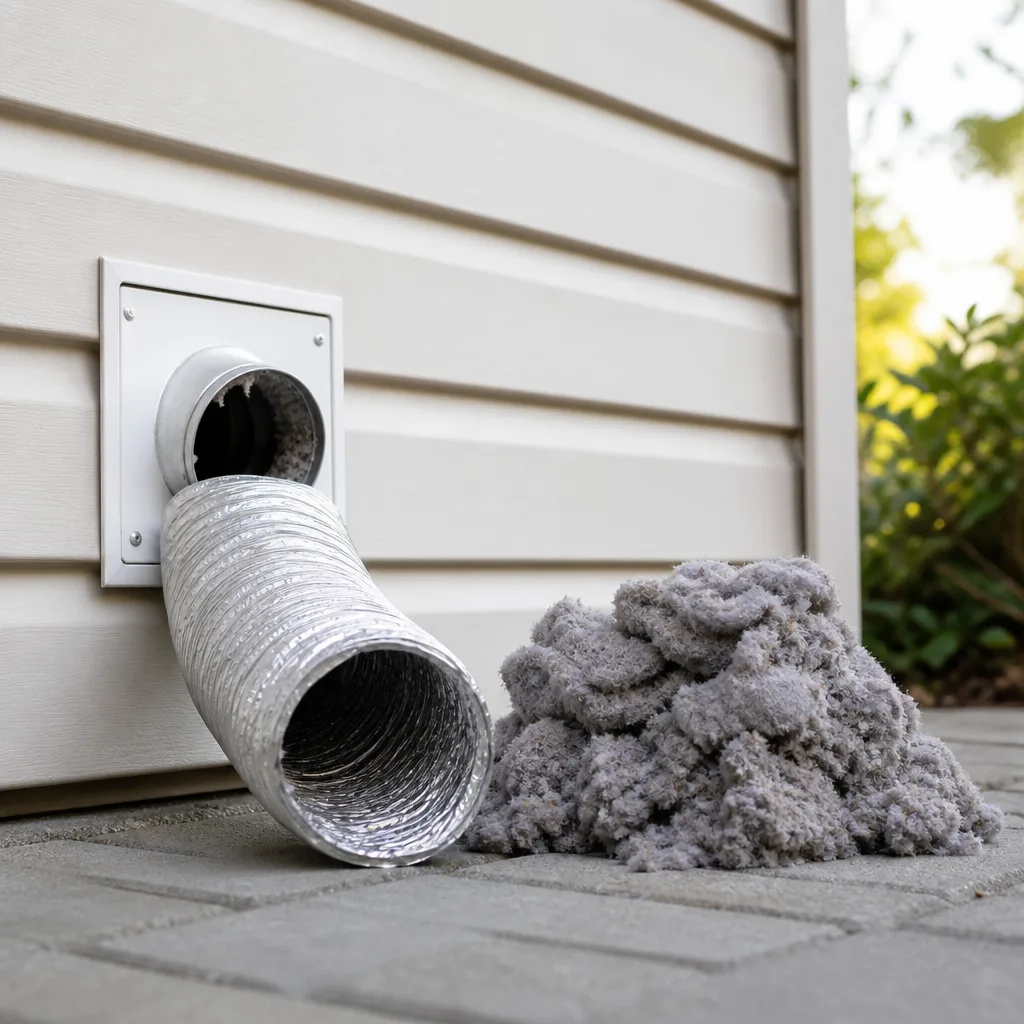
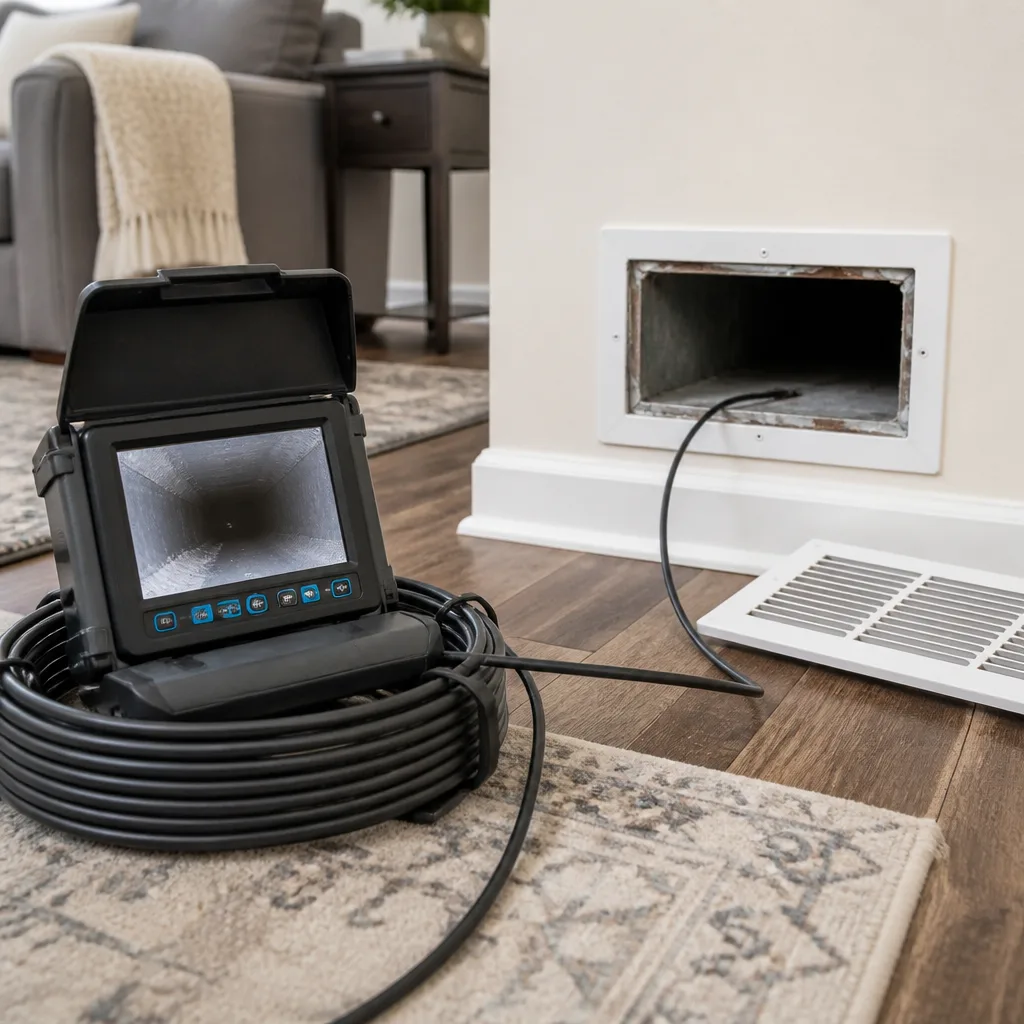
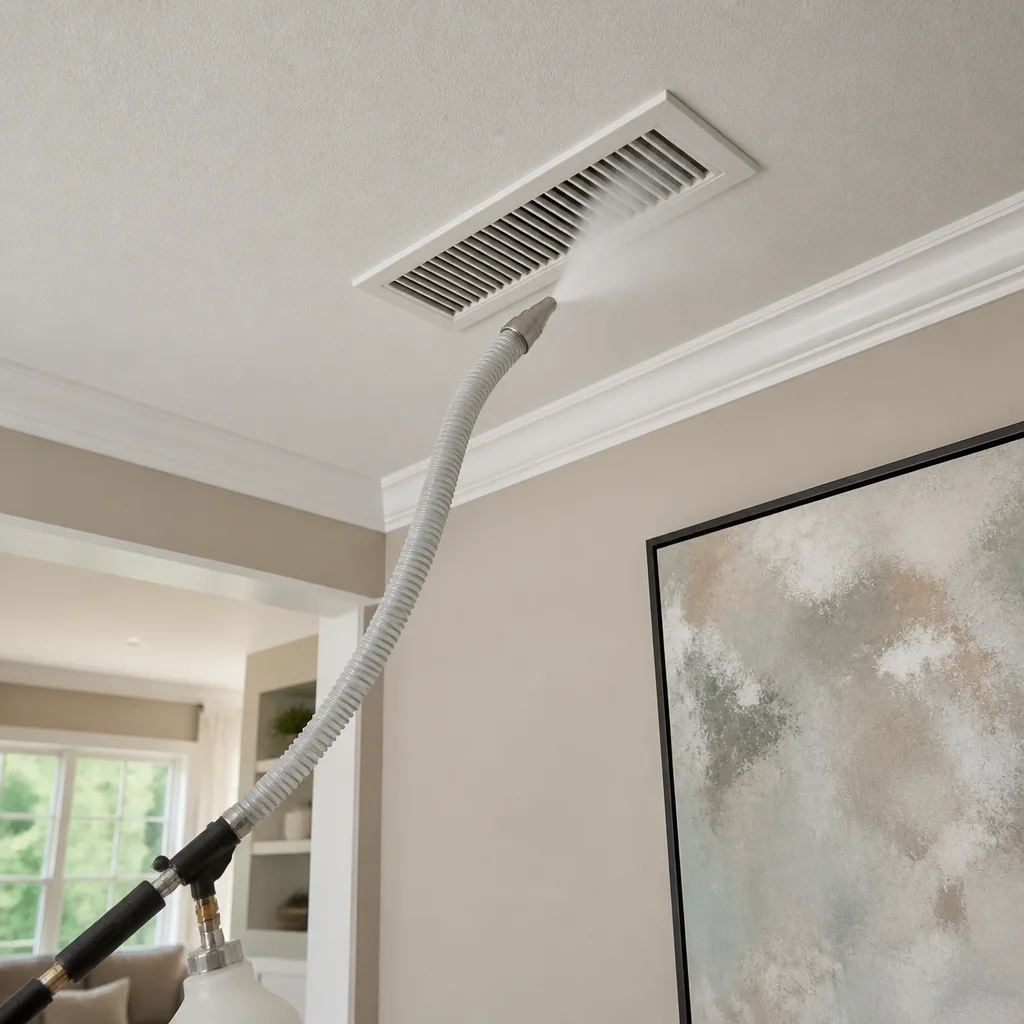
That "$99 whole-house special" is a bait ad - the real number appears once they are in your hallway, or the "clean" is a shop-vac at the register. We photograph the inside of your ducts before and after instead.
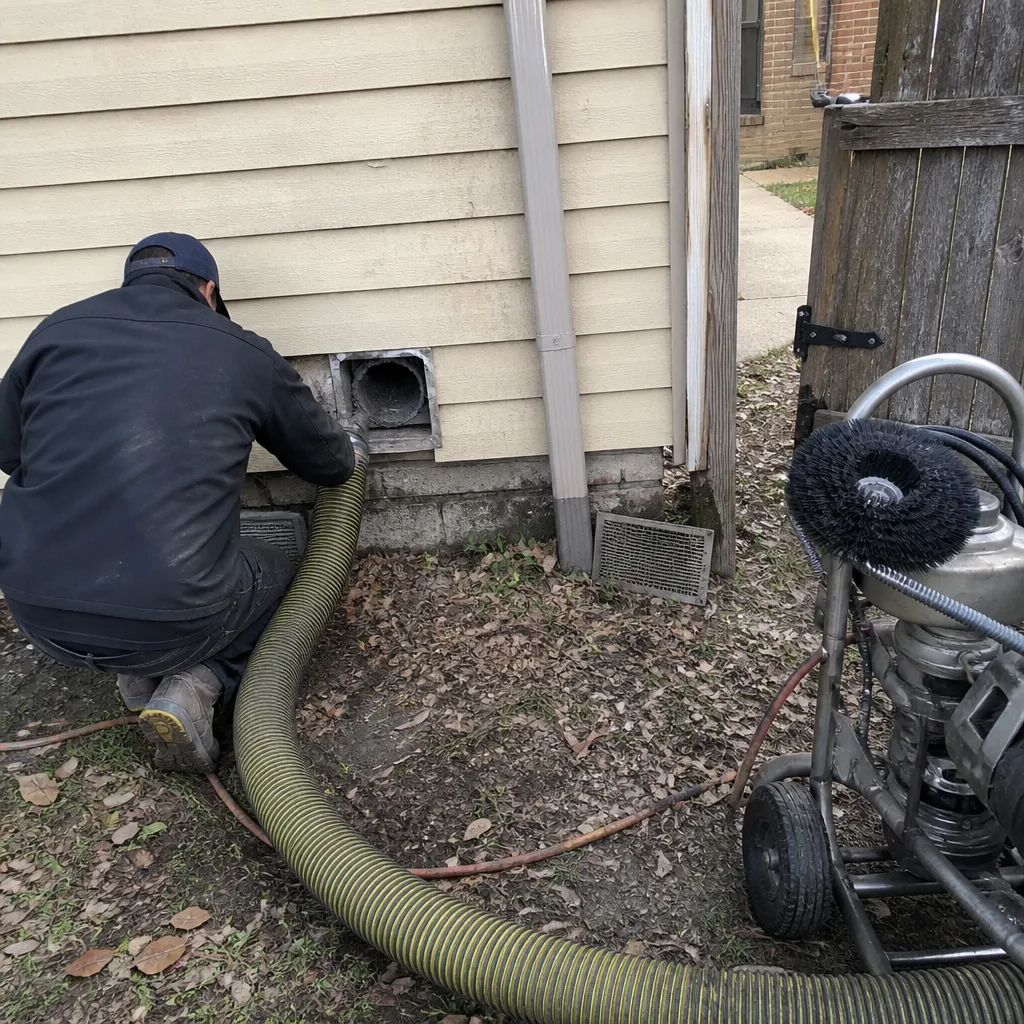 Before
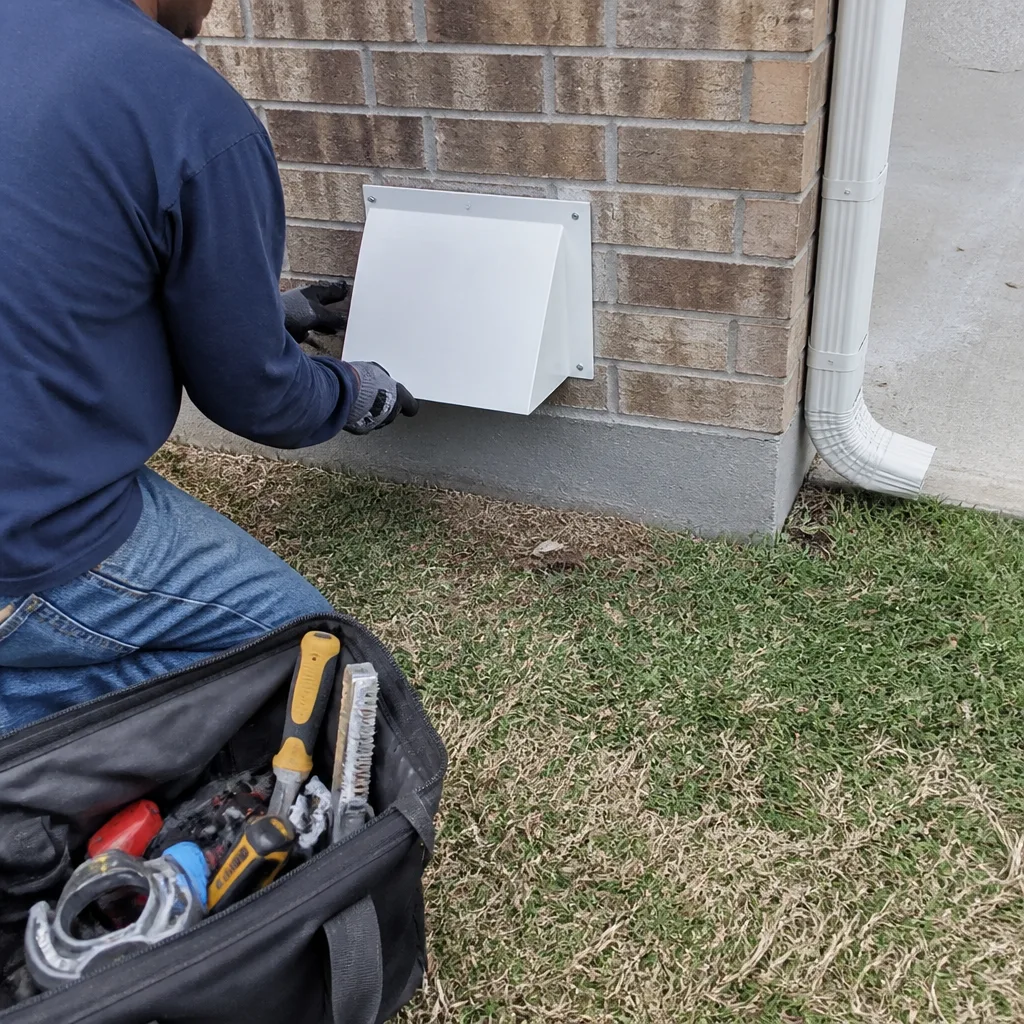 After
After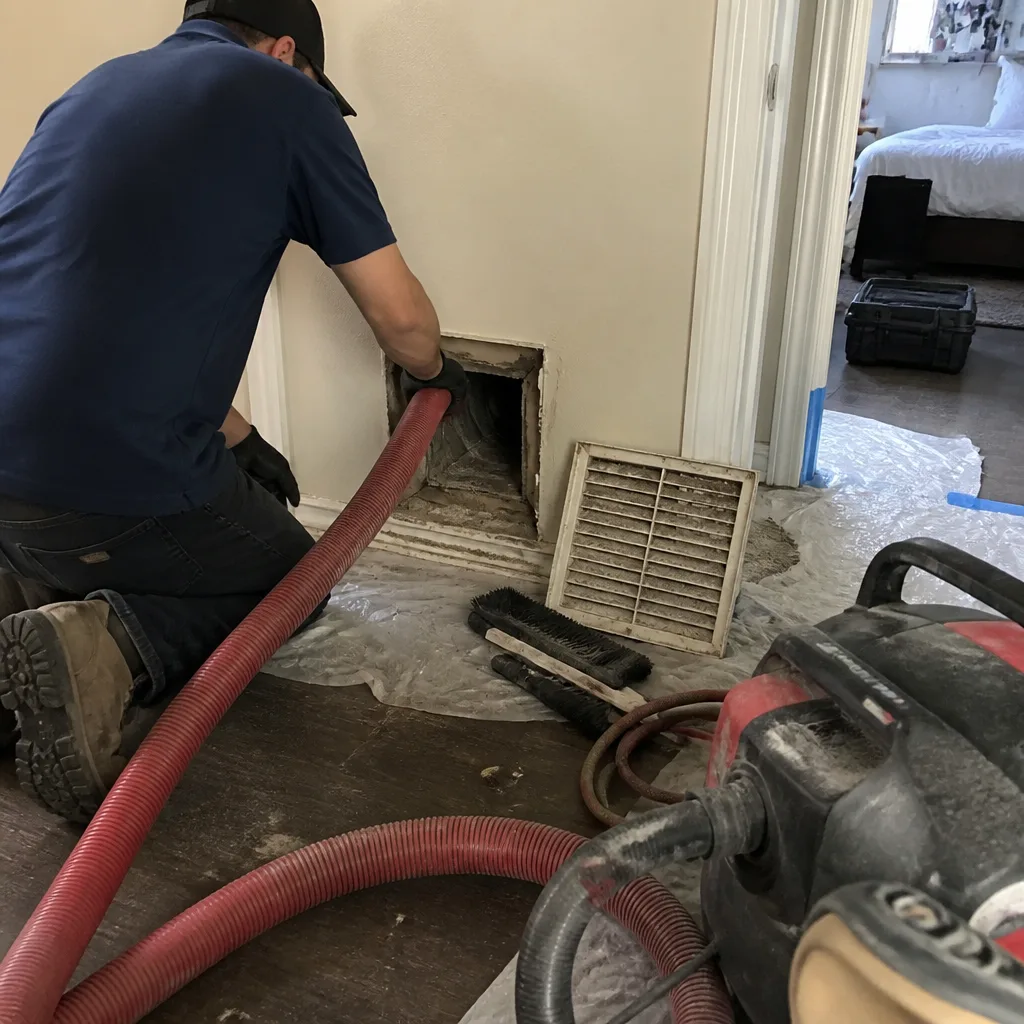 Before
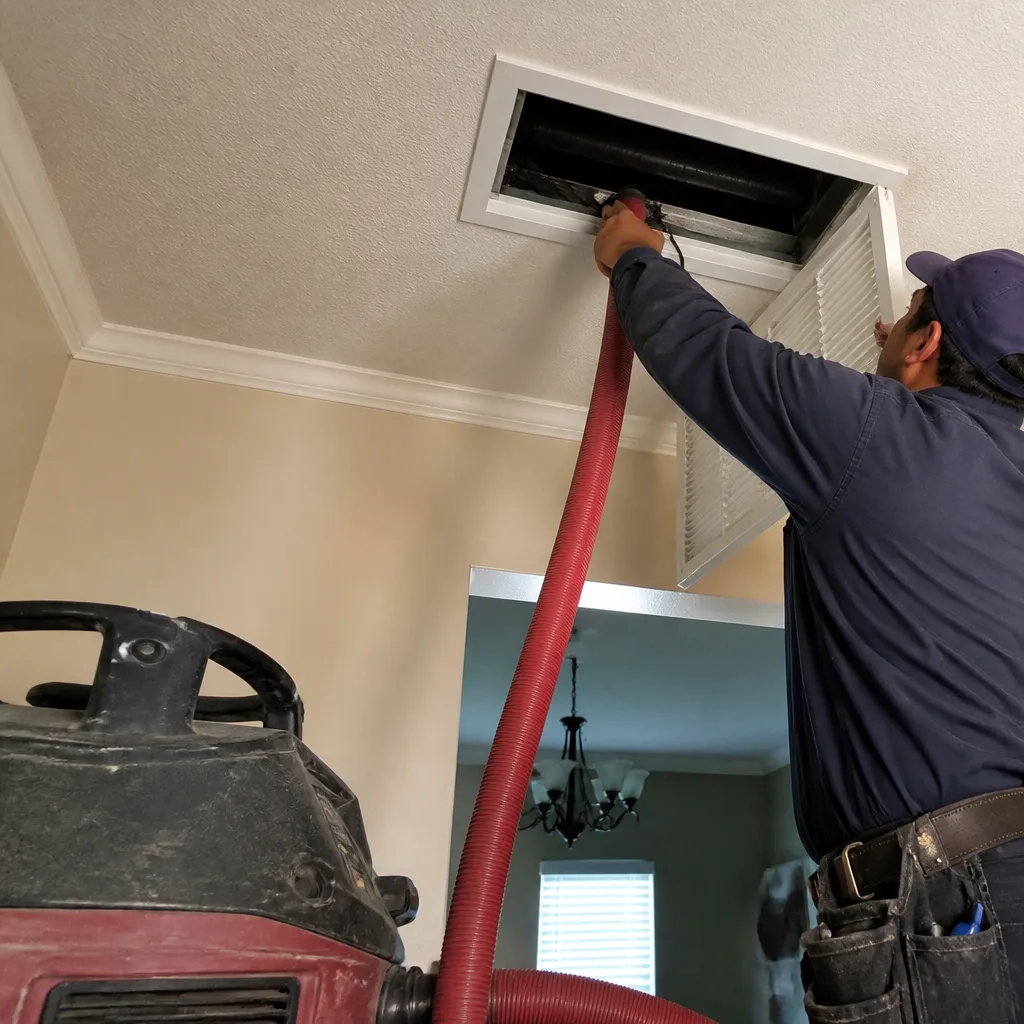 After
After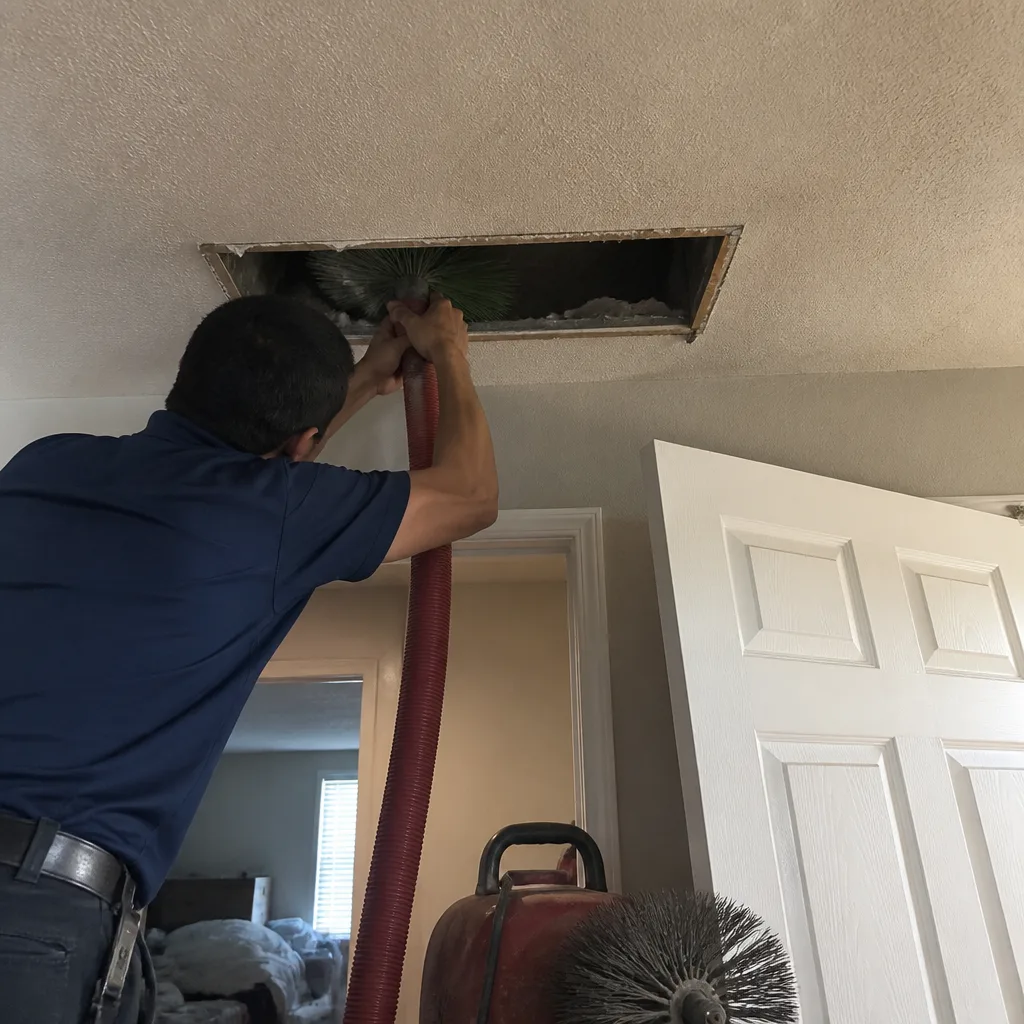 Before
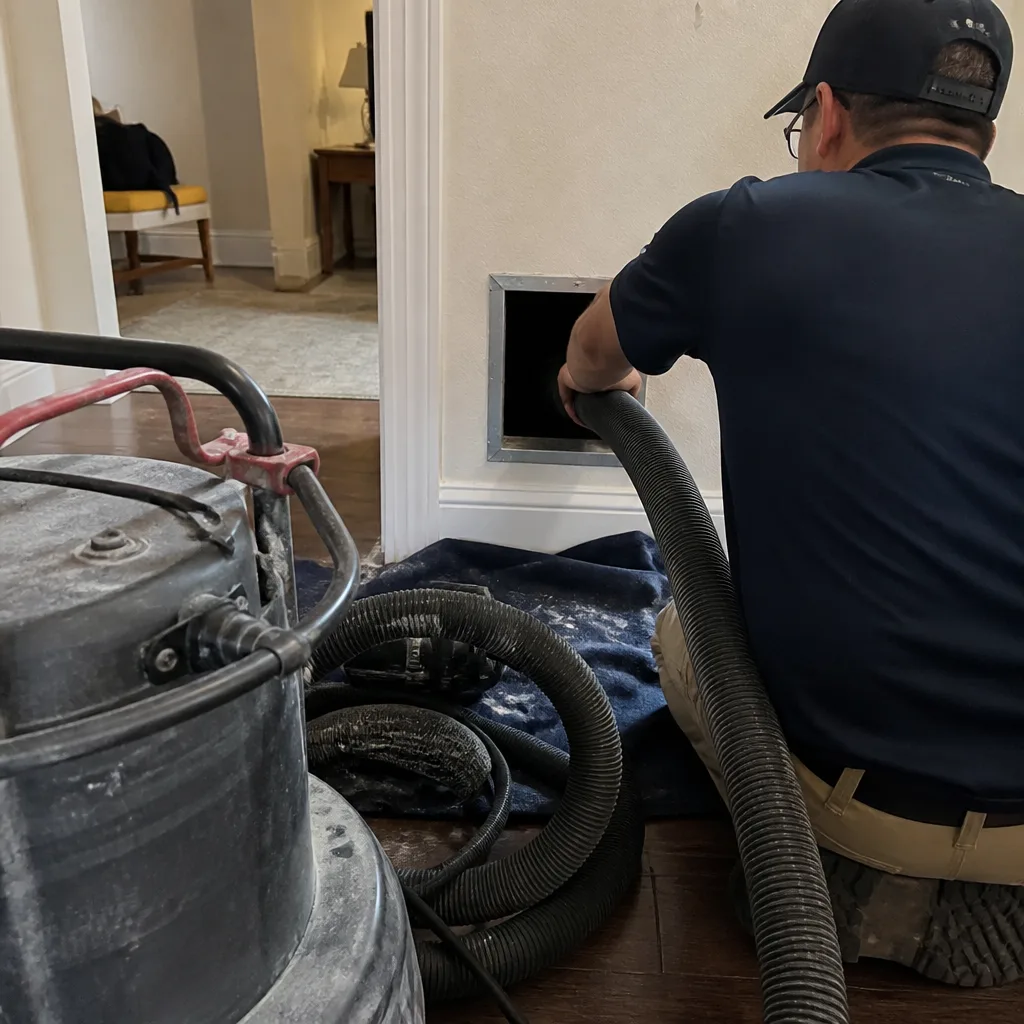 After
AfterHoneywell Register & Grille Cleaning: The Lewisville Owner’s Guide
We stock and install Honeywell-compatible register and grille cleaning services in Lewisville for $180-$340 per system, with written pricing delivered before any work starts. Most jobs are completed same-day once scheduled, and we carry professional-grade equipment from Honeywell, Rotobrush, Nikro, and Abatement Technologies on every truck. Homeowners usually notice the problem when airflow drops at one vent, or when they remove a register cover and find a debris mat thick enough to restrict the damper blades.
Here’s the before photo. Now let’s talk about what happens next.
Which Honeywell Models This Applies To
Honeywell registers and grilles span several residential series, and the cleaning approach differs by construction. The HRG (Honeywell Residential Grille) line uses fixed-bar aluminum with removable core frames, common in homes built 2015-2022 across Lewisville’s Valley Vista and Castle Hills subdivisions. The HRV (High-Return Volume) series adds adjustable opposed-blade dampers, which seize when dust binds the nylon pivot pins. The AMH (Architectural Metal Honeywell) line found in higher-end builds near Old Town uses steel construction with powder-coated finishes that trap debris in the texture.
Identification is straightforward: remove the register and check the stamped model prefix on the back flange. HRG-series units show a four-digit date code; anything pre-2018 likely has the original nylon damper components that degrade in North Texas heat cycles. We also service Lennox, Trane, and Carrier equivalents, but the Honeywell HRG/HRV mounting footprint is proprietary, 10 x 6 inches or 12 x 8 inches, with slotted screw holes at 9.5-inch centers that don’t align with generic aftermarket grilles without modification.
OEM Honeywell replacement cores run 40-60% more than quality aftermarket equivalents from Guardsman, but the aftermarket units often omit the integral gasket seal that prevents bypass leakage into the wall cavity. We stock both and explain the trade on the written scope.
Signs Your Honeywell Register & Grille Cleaning Is Failing
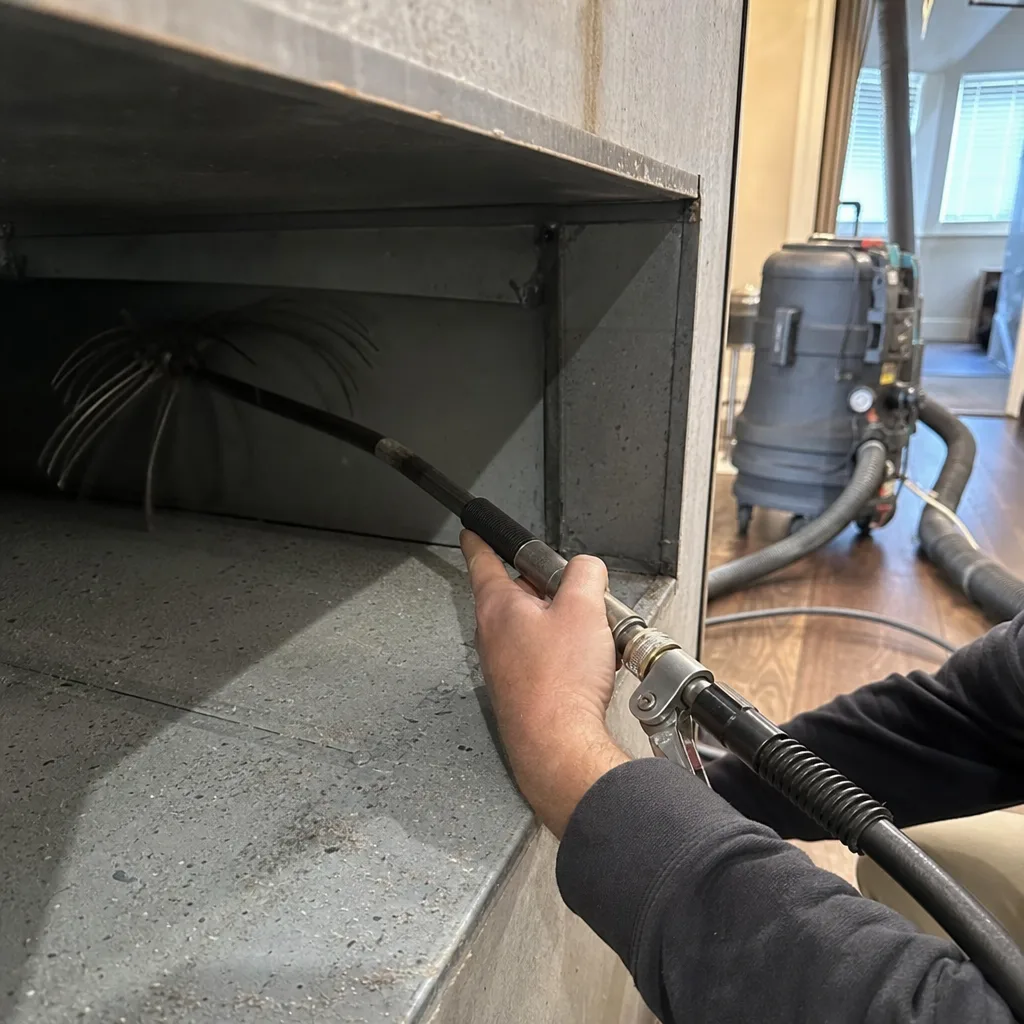
- Uneven airflow from room to room. The damper blades inside Honeywell HRV registers are balanced for equal pressure drop; when debris cakes the pivot mechanism, one blade sticks partially closed while others swing freely. We see this most in Lewisville homes with the original flex duct near Vista Ridge Mall, where sagging duct runs increase static pressure and force more debris toward the terminal grilles.
- Visible debris mat behind the register cover. A layer you can peel off with your fingers indicates the grille hasn’t been removed for cleaning in multiple seasons. The debris acts as a filter media that progressively loads, and in Honeywell units with antimicrobial coating, that coating degrades faster when buried under organic material.
- Rattling or whistling at the vent. Debris accumulation changes the effective free area of the grille, increasing face velocity and causing turbulent noise. On HRG-series units with fixed bars, the noise often localizes to one corner where a bar has partially separated from the frame due to thermal cycling.
- Musty odor when the system cycles on. The register sits at the boundary between conditioned space and wall cavity; debris there holds moisture from Lewisville’s spring humidity spikes, supporting microbial growth that releases when airflow resumes. This is not a duct problem alone, it’s a grille-surface problem that duct cleaning without register service leaves unresolved.
- Damper adjustment knob frozen or stripped. Honeywell HRV knobs use a 1/4-inch hex drive that strips easily if forced while the mechanism is debris-bound. Once stripped, the damper defaults to whatever position it last held, typically full open or full closed.
BeforeAfterReplacement Cost & What’s Included
| Service Component | Price Range in Lewisville |
|---|---|
| Honeywell register & grille cleaning (per system, up to 10 registers) | $180-$260 |
| Deep extraction with register removal, core cleaning, and seal inspection | $220-$340 |
| Damper mechanism lubrication and function test (HRV series) | Included |
| Documented Photo Record of each register before/after | Included |
| Written scope with itemized line items | Included, per Haven Standard Clause 1 |
The range reflects access difficulty: single-story homes with attic duct drops are straightforward; two-story Lewisville builds with furr-down chases or sealed soffits require additional panel removal. We deliver the written price before any work starts, every time, with no per-vent add-ons. The 365-Day Done Right Promise covers the workmanship; manufacturer defects in new Honeywell components are handled per Honeywell’s warranty terms.
DIY or Call Us?
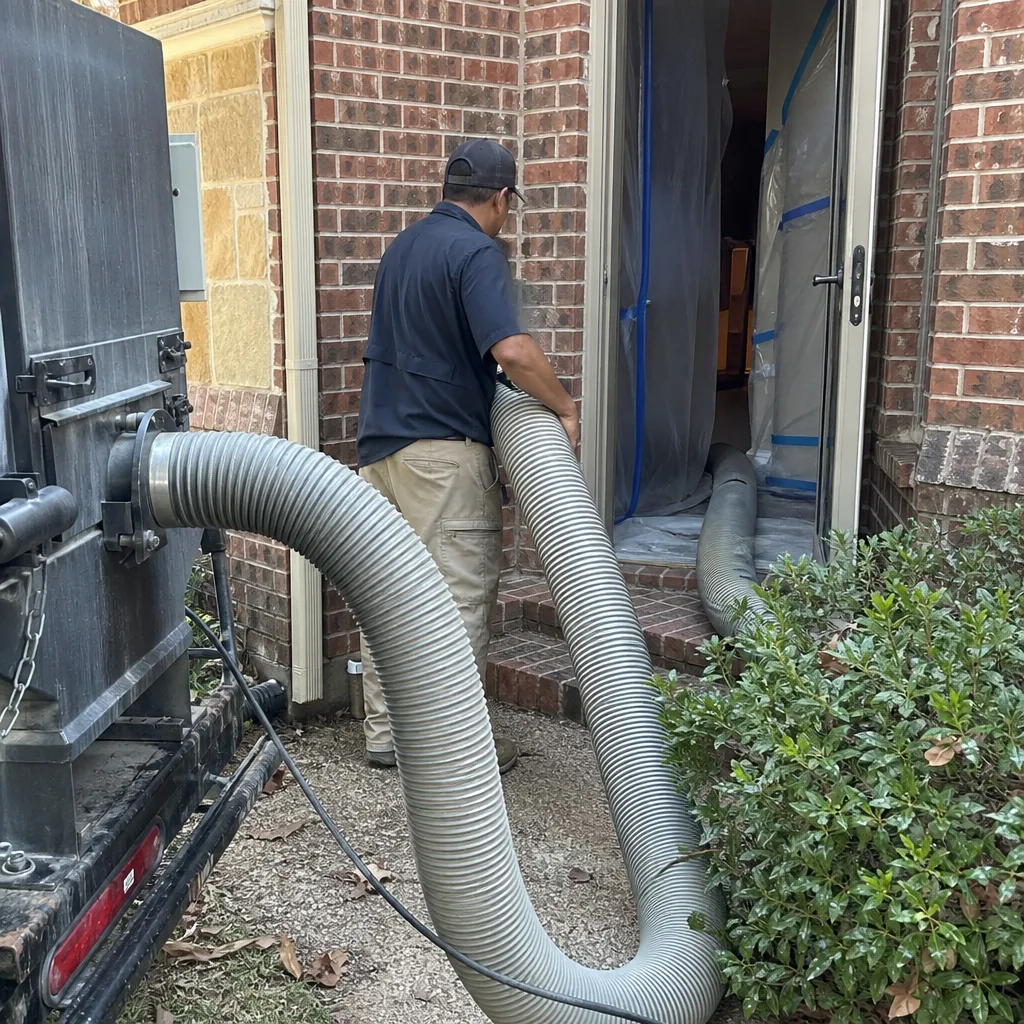
An owner can safely remove a Honeywell register cover with a screwdriver, vacuum the visible debris, and wipe the face with mild detergent. What DIY misses: the debris layer inside the duct boot, behind the register frame, where the actual restriction forms; the damper pivot pins that need solvent cleaning and silicone lubrication; and the gasket seal that cracks with age and allows unconditioned attic air to bypass into the room.
We don’t recommend inserting tools or brushes into the duct boot yourself. The flex duct common in Lewisville homes from the 2015-2020 build wave is easily punctured, and a damaged boot requires duct repair, not just cleaning. Our crew photographs the interior before touching anything, so you see what we saw. Call (940) 240-8552 for a written estimate with no obligation.
FAQs
In Lewisville’s climate, with summer attic temperatures exceeding 140°F and spring humidity spikes, we recommend register and grille cleaning every 3-5 years for homes with standard 1-inch filtration. Homes with pets or near construction zones, common in developing areas like Lewisville’s Highway 121 corridor, may need service every 2-3 years. Call (940) 240-8552 for an exact assessment - estimates are free.
No. “Repair” in this context means replacement of the core frame or damper assembly, which costs more than professional cleaning and only makes sense if the grille is physically damaged. Cleaning restores function; replacement addresses structural failure. We show you the difference on the written scope before you decide.
A typical Lewisville home with 8-12 registers takes 2-3 hours for full service including removal, core extraction, boot cleaning, seal inspection, and reassembly with function testing. We schedule a half-day window and usually finish sooner. The Documented Photo Record is delivered before we leave.
Yes. We carry cleaning equipment sized for Honeywell HRG and HRV series registers, replacement gasket seals, and Guardsman aftermarket cores that match Honeywell mounting patterns. For AMH architectural series units, we special-order exact-match components with 24-48 hour availability. We confirm stock on the initial call so there’s no surprise.
CleanRun Duct Repair & Cleaning is an independent service provider and is not affiliated with Honeywell. Honeywell is a registered trademark of Honeywell International Inc.
Ready to see what’s behind your registers? Call (940) 240-8552 for a written estimate with upfront pricing, delivered before any work starts. Every job includes a Documented Photo Record of every duct run and is backed by our 365-Day Done Right Promise.
Written by Tomas Reyes, Owner, CleanRun Air Duct Cleaning Lewisville at CleanRun Air Duct Cleaning Lewisville, serving Lewisville and nearby areas.