
Whole-system duct and dryer vent check with before-and-after photos - you see exactly what came out of your vents
That "$99 whole-house special" is a bait ad - the real number appears once they are in your hallway, or the "clean" is a shop-vac at the register. We photograph the inside of your ducts before and after instead.
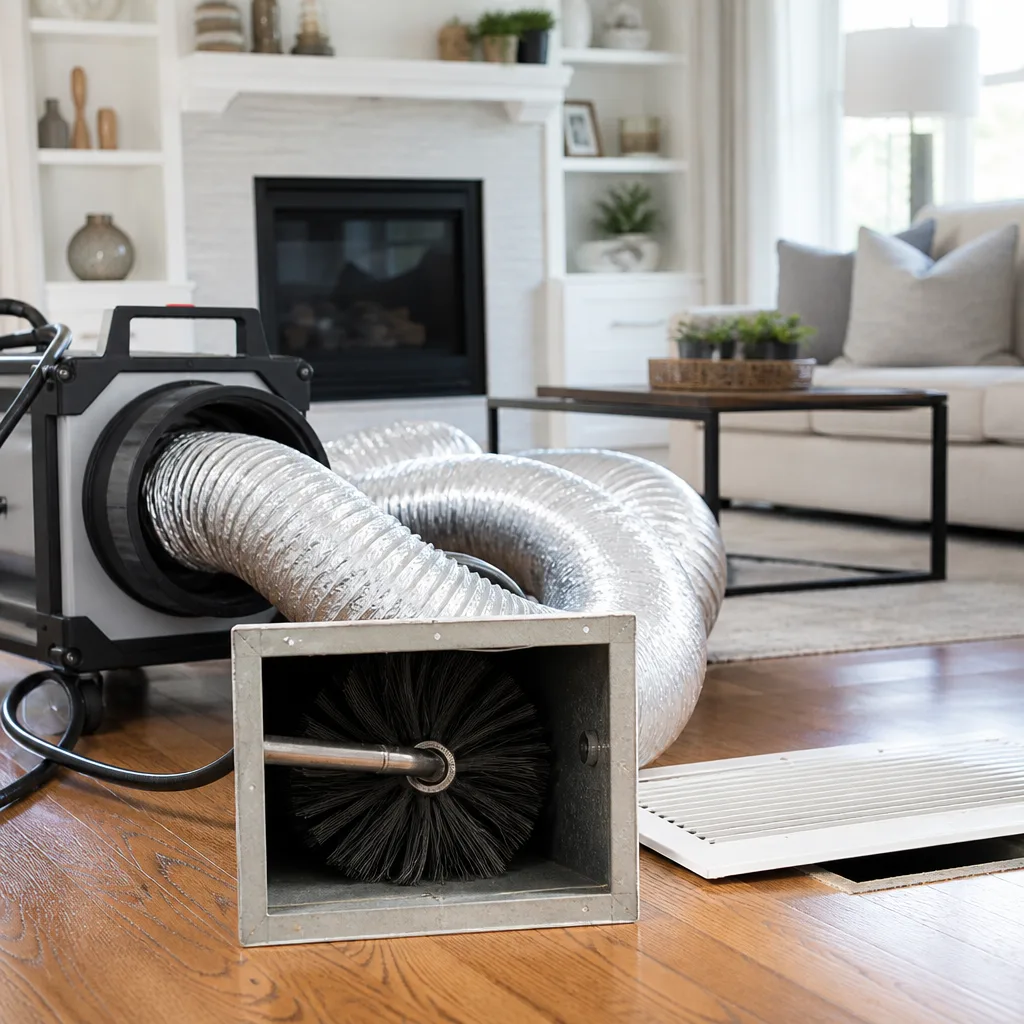
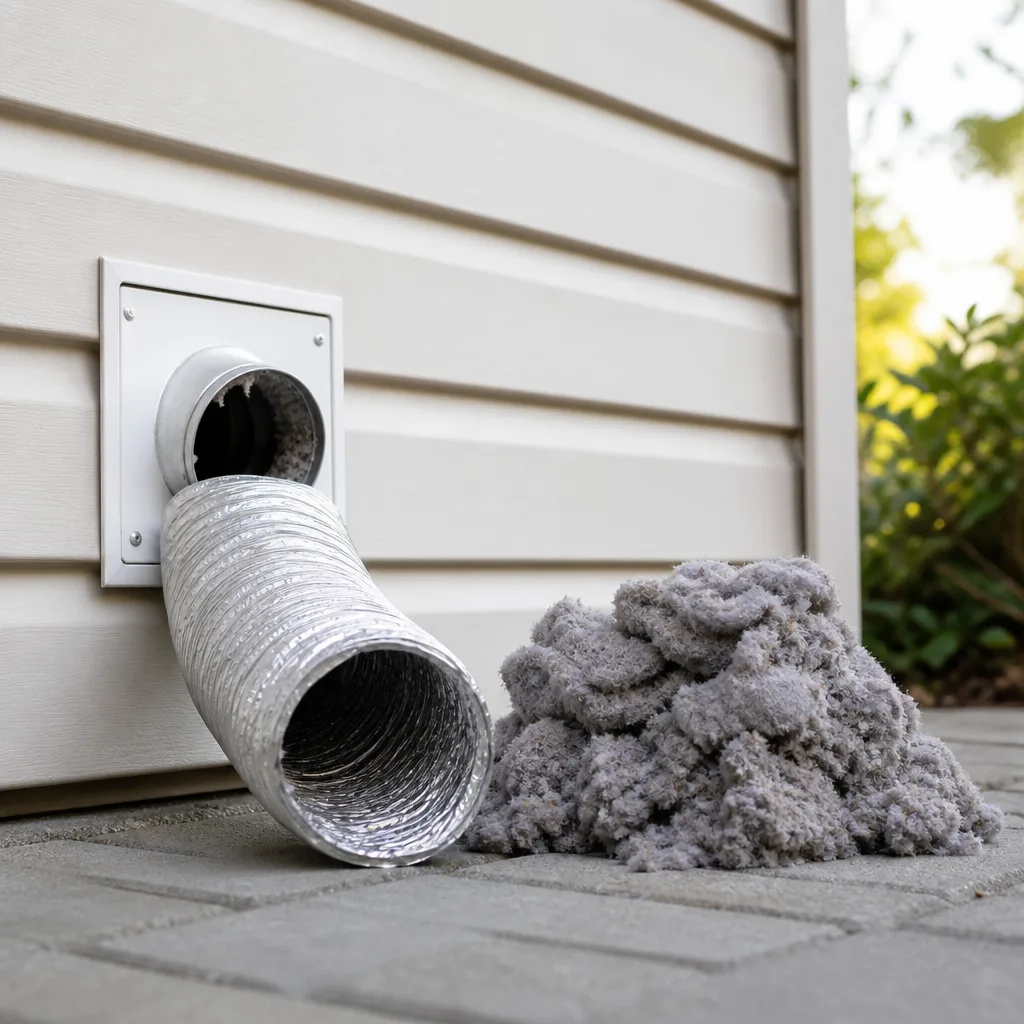
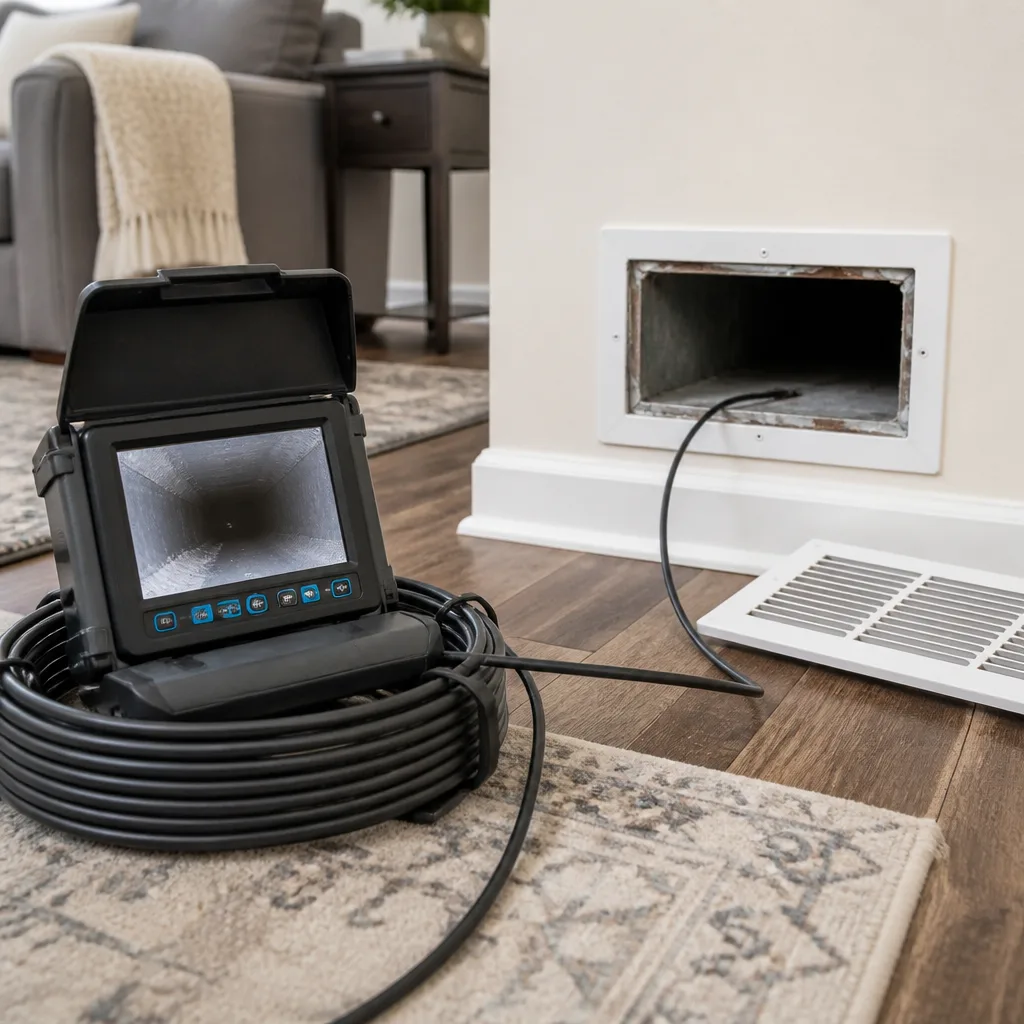
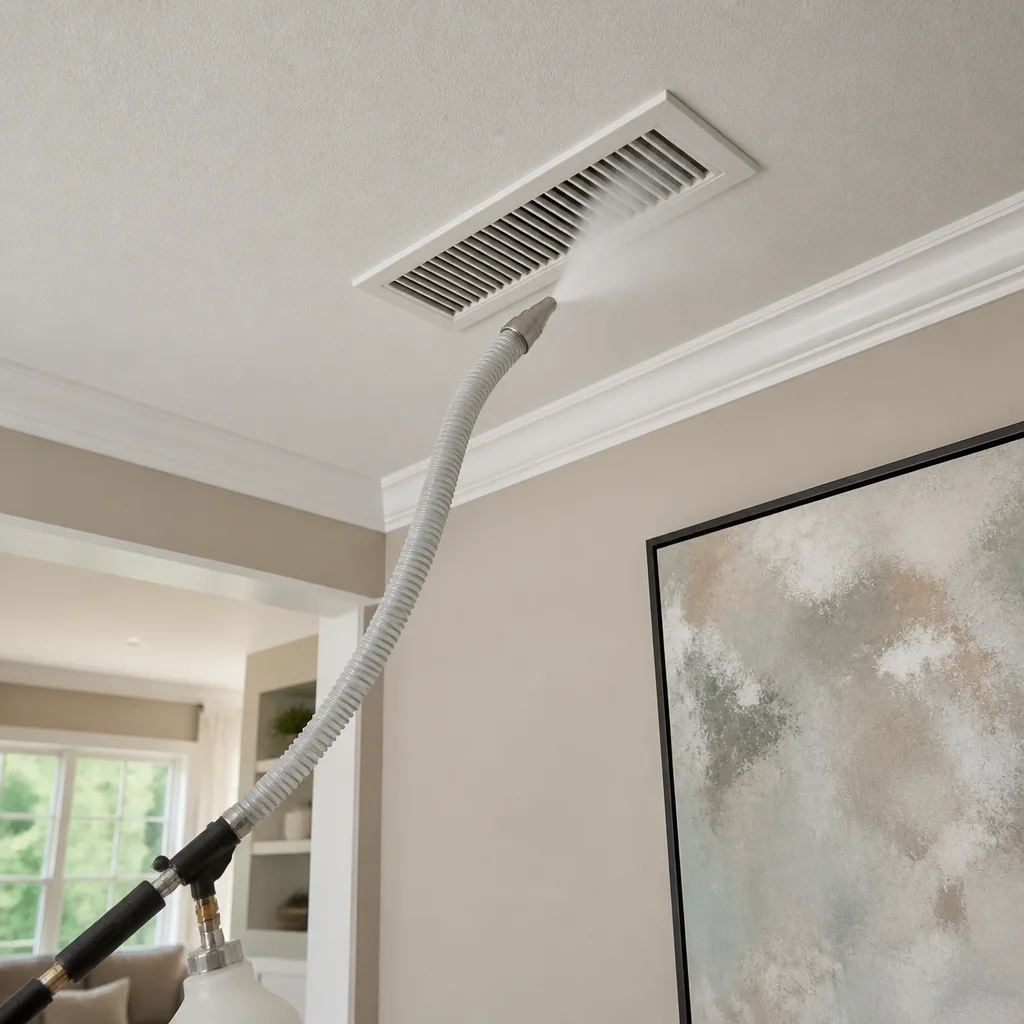
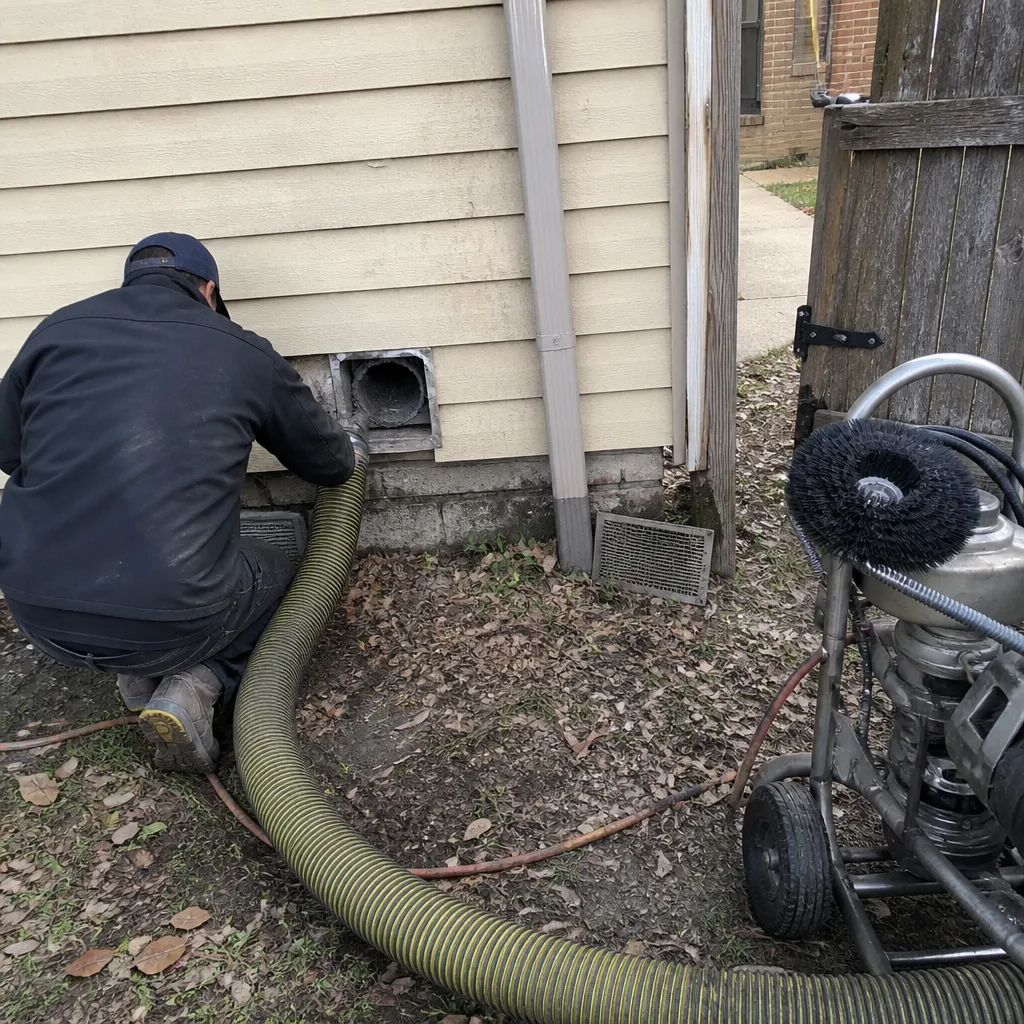 Before
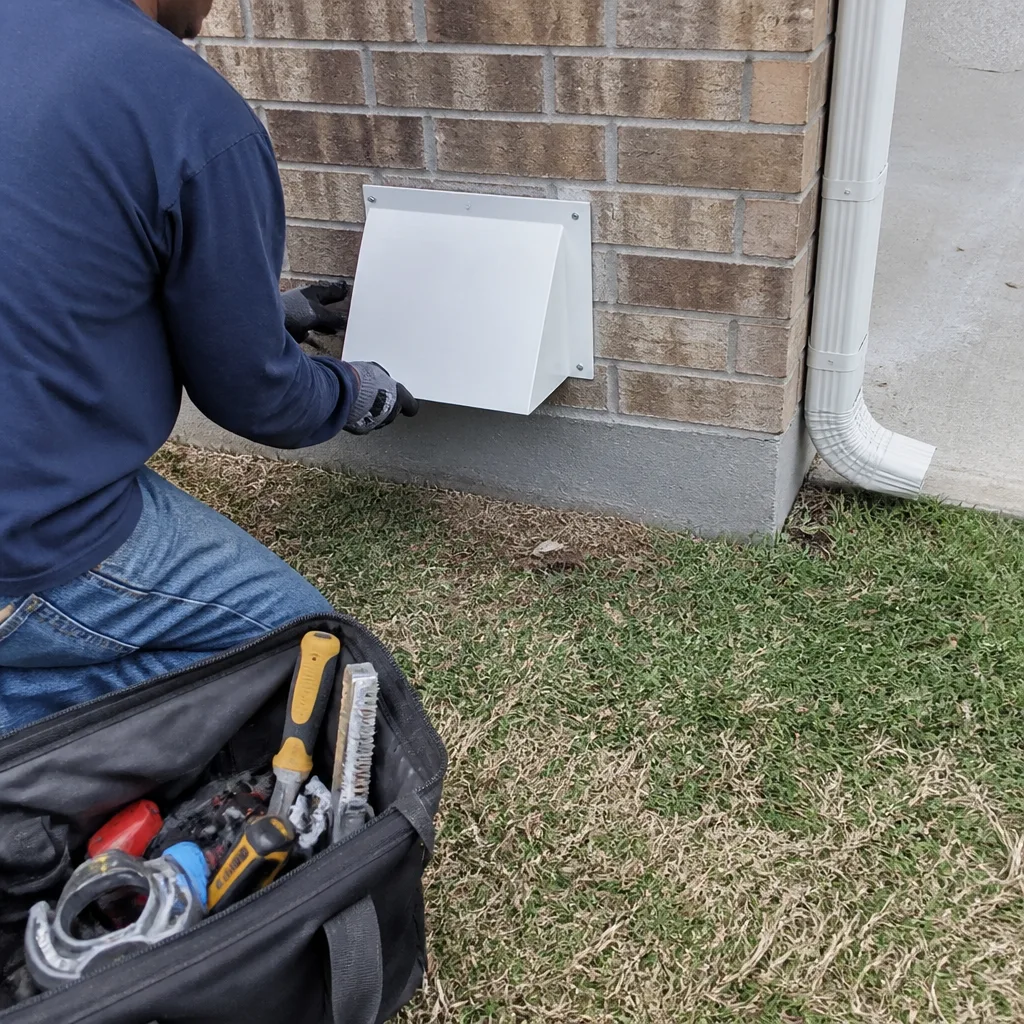 After
After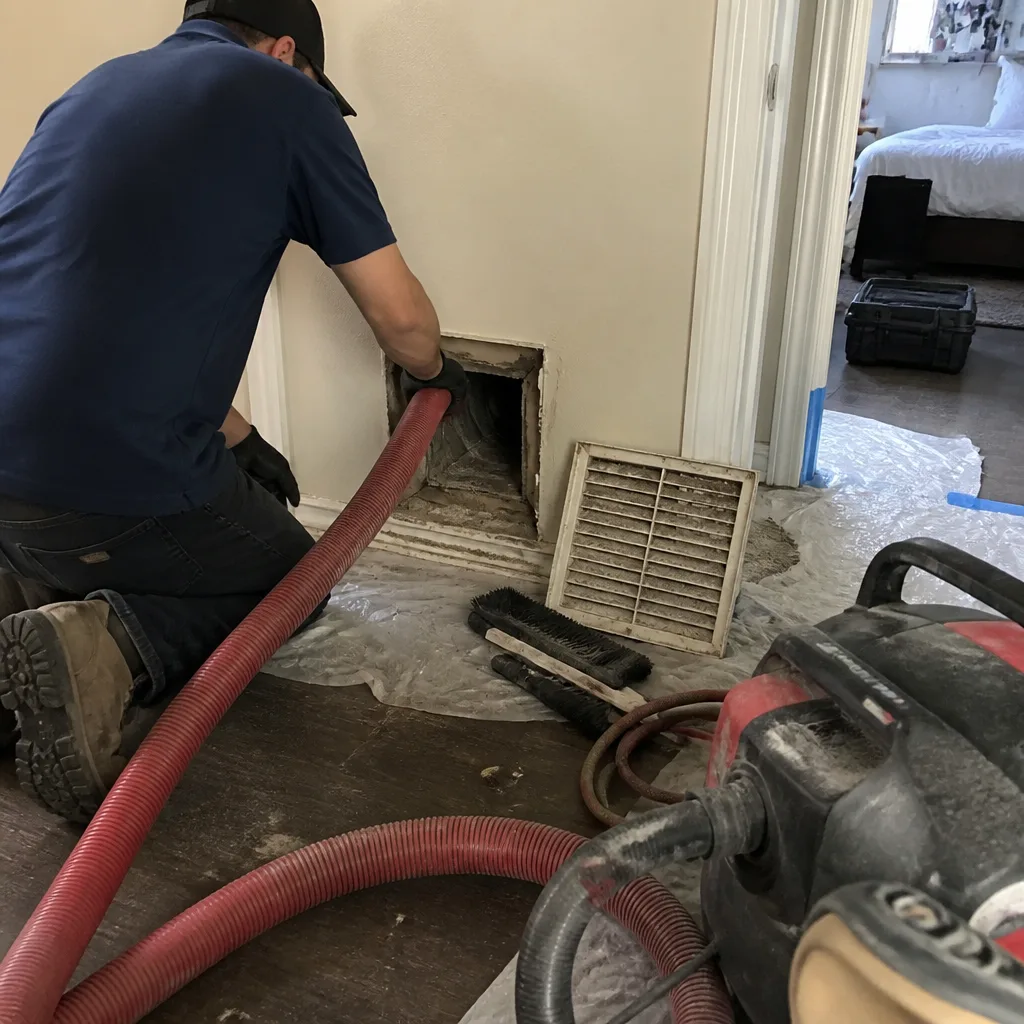 Before
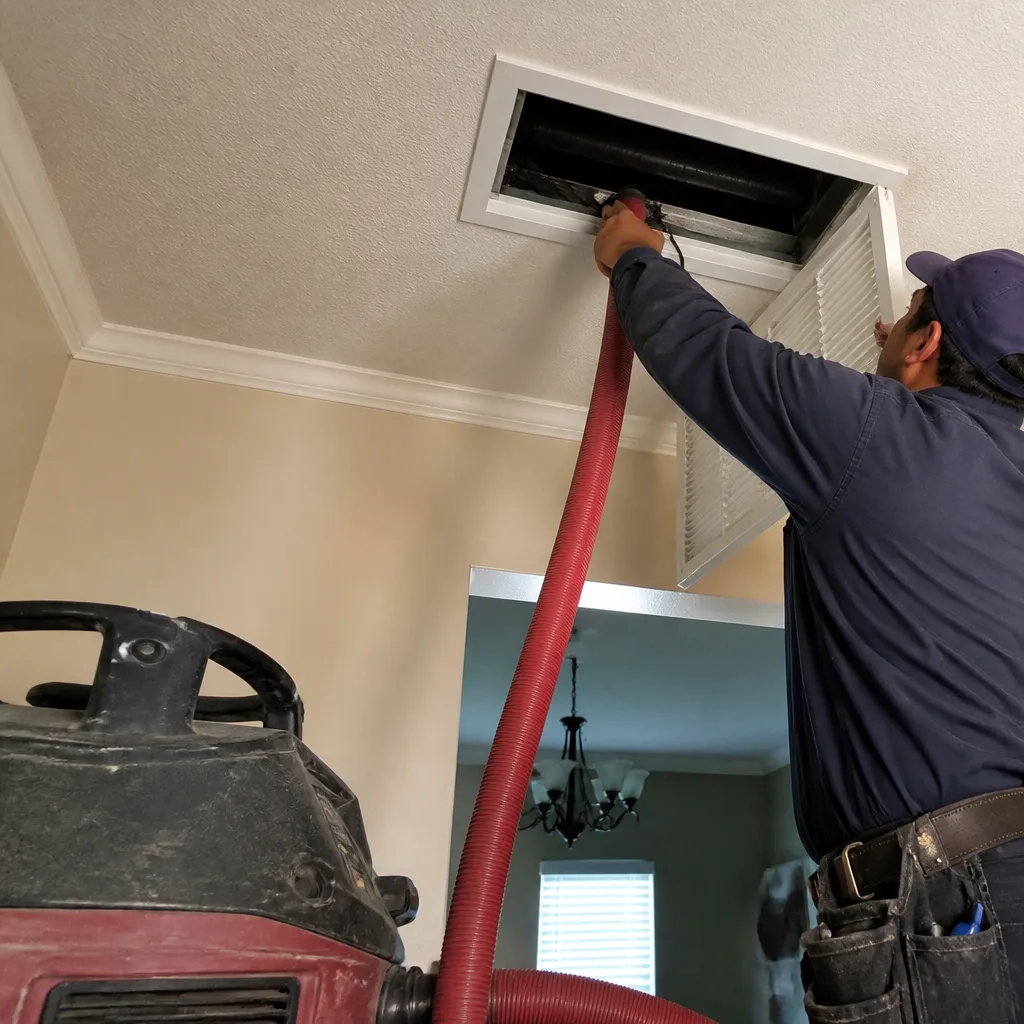 After
After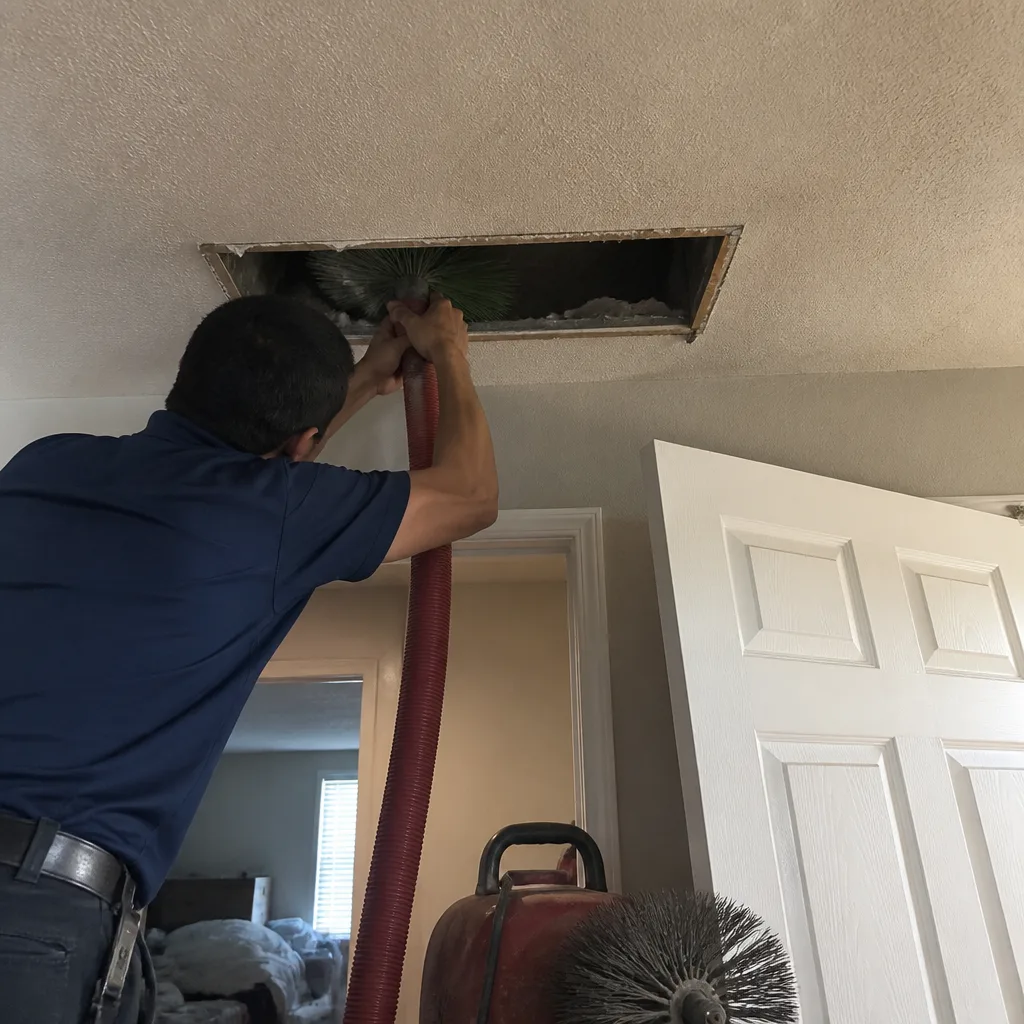 Before
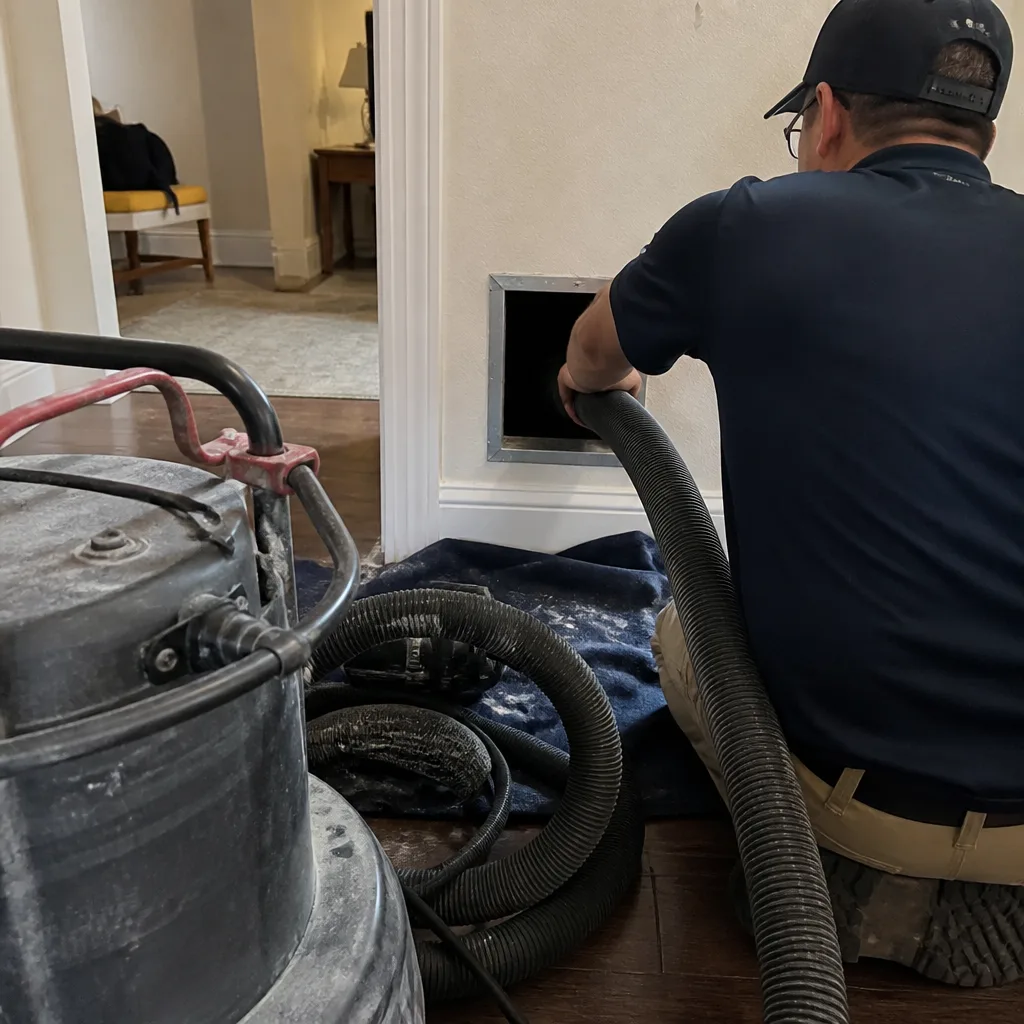 After
AfterHoneywell Coil Cleaning: The Lewisville Owner’s Guide
CleanRun stocks and installs Honeywell-compatible evaporator and condenser coil cleaning for residential HVAC systems in Lewisville, with typical whole-system service ranging from $340 to $580 depending on accessibility and contamination level. Most coil cleaning appointments are scheduled within 48 hours, and we carry the full equipment roster on every truck. Homeowners usually discover the problem when their Honeywell system runs constantly but can’t hold the set temperature, or when they notice a musty, wet-cardboard smell pushing from the registers in older Lewisville neighborhoods like Castle Hills, where the flex duct sags and traps moisture against the coil housing.
Which Honeywell Models This Applies To
Honeywell coil cleaning isn’t one-size-fits-all. The coil geometry, fin density, and cabinet dimensions vary significantly across Honeywell’s residential lines, and matching the right cleaning approach to the right series prevents fin damage that restricts airflow permanently.
We regularly service these Honeywell configurations in Lewisville homes:
- Legacy T-Series and RTH thermostats paired with Honeywell coils - common in 2015-2019 builds near Lewisville Lake, where the humid summer air loads the evaporator heavily; these coils typically have 8-14 fins per inch and require low-pressure chemical application to avoid fin collapse.
- Honeywell FC and FH fan coil units - horizontal-flow cabinets often found in attic installations above the 75067 zip; access panels are tight, and the drain pan sits directly below the A-coil, making full contamination documentation critical.
- Honeywell condenser coils in split systems - outdoor units from 1.5 to 5 ton, with micro-channel designs on newer models (2018+) that clog with cottonwood seed and construction dust from the ongoing development along SH 121.
The OEM-versus-aftermarket question for Honeywell coils is straightforward: we use manufacturer-specified foaming cleaners and fin combs calibrated to Honeywell’s fin pitch, not generic hardware-store alternatives that leave residue or straighten fins unevenly. The label inside your electrical compartment will show the model prefix (FC, FH, or a 10-digit condenser code starting with 4A7 or similar). We photograph that label before starting, cross-reference it against Honeywell’s technical bulletins, and show you the match before applying any chemistry. CleanRun is an independent service provider; we are not affiliated with Honeywell International.
Signs Your Honeywell Coil Cleaning Is Failing
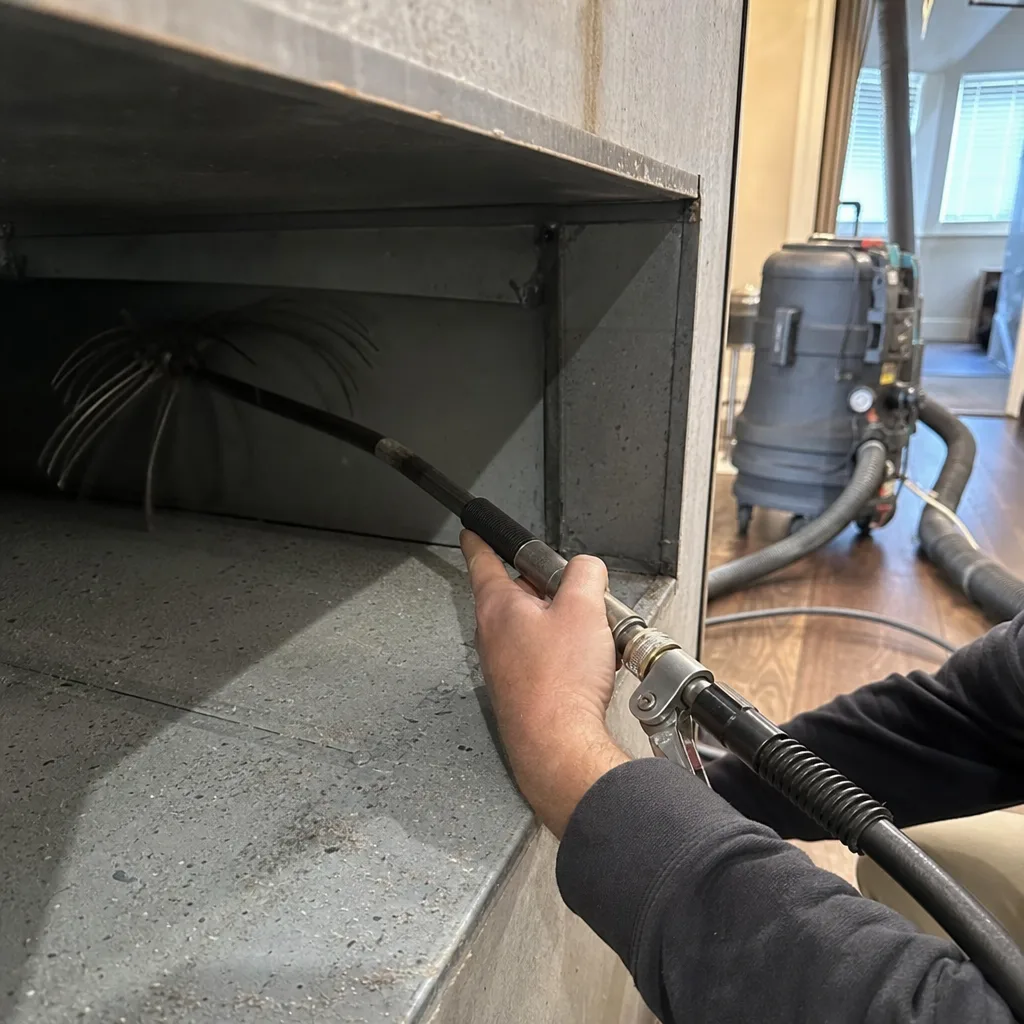
- Ice formation on the evaporator coil or suction line. When the coil’s surface is clogged with dust, skin cells, and the greasy residue that collects in Lewisville’s pollen-heavy spring air, airflow drops below the threshold needed for proper heat exchange. The refrigerant temperature falls below freezing, and ice builds until the system shuts down on low-pressure lockout.
- Long run cycles with poor temperature pull-down. A contaminated coil has effectively lost surface area; the system runs 20-40 minutes longer per cycle to achieve the same delta-T, which you’ll see on your Honeywell thermostat’s runtime log if it’s a connected model.
- Musty or sour odor from registers. The biofilm that grows between coil fins in humid conditions produces volatile organic compounds; in Lewisville’s clay-soil areas where drainage is slow, we’ve found active mold colonization on coils that haven’t been serviced in four-plus years.
- Water staining on ceiling drywall below the air handler. A dirty coil sheds debris into the drain pan, clogging the condensate line; the pan overflows, and the leak follows the path of least resistance, often appearing as a brown spot near a hallway register.
- Unexpectedly high summer electric bills. A 20% reduction in coil efficiency translates directly to runtime; we’ve documented cases in Lewisville’s Castle Hills area where cleaning restored SEER performance to within 5% of the original rating.
BeforeAfterReplacement Cost & What’s Included
Our Honeywell coil cleaning service in Lewisville is priced as a flat rate per system, agreed in writing before we touch a panel, under Haven Standard Clause 1. The range of $340-$580 reflects three variables: whether we’re cleaning one coil (evaporator only) or both (evaporator and condenser), how the coil is accessed (pull-and-clean versus in-place treatment with protective sheeting), and the degree of contamination we document during the initial camera inspection.
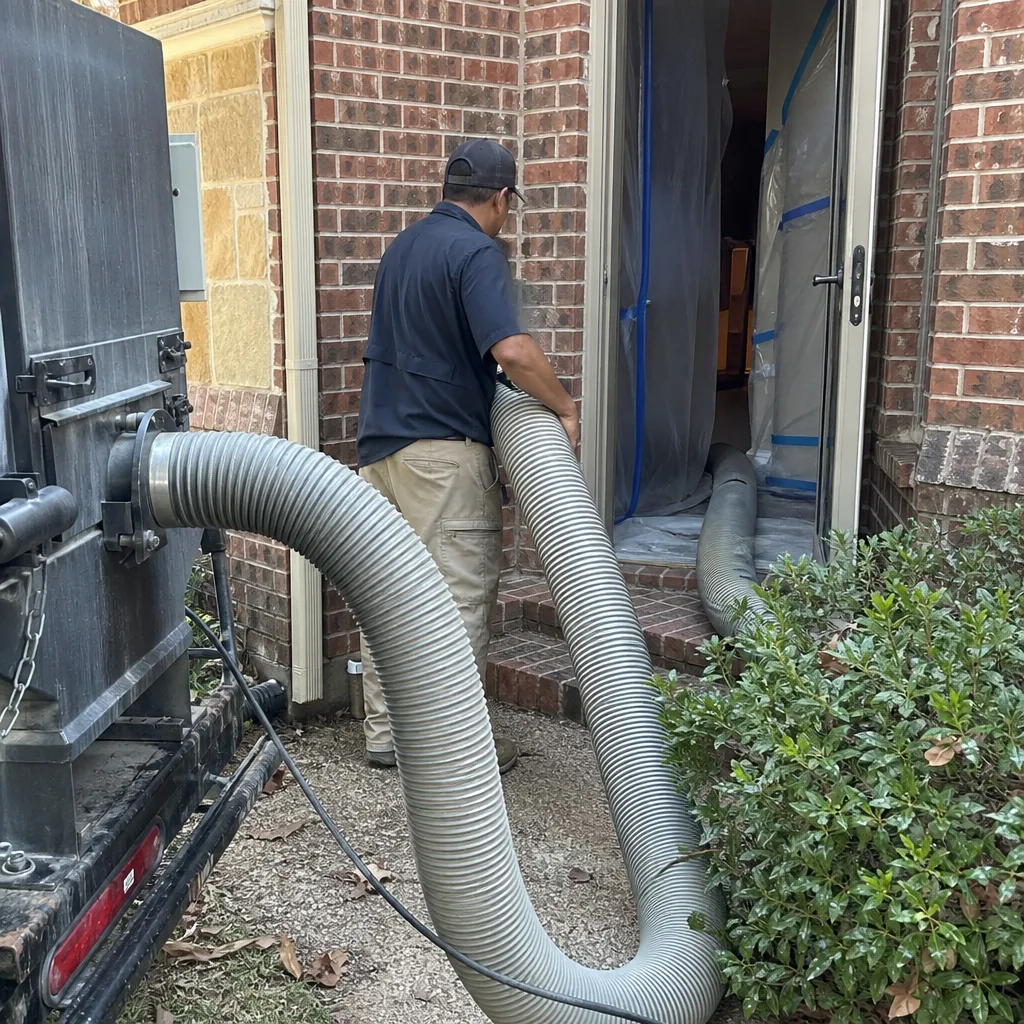
Every Honeywell coil cleaning includes: negative-pressure extraction of loose debris before chemical application; foaming cleaner matched to your coil’s fin density; fin straightening with pitch-specific combs; drain pan and condensate line flush; and a Documented Photo Record of the coil surface before and after, delivered as part of your standard job record. The 365-Day Done Right Promise applies in writing: if airflow tests don’t show measurable improvement, we return and correct it.
DIY or Call Us?
There’s a safe middle ground, and then there’s where DIY gets expensive.
What you can check yourself: verify your Honeywell thermostat is calling for cooling correctly; confirm the outdoor disconnect is seated; and visually inspect the condenser for obvious debris like grass clippings or cottonwood fluff on the cabinet exterior. These steps cost nothing and eliminate the simplest causes.
Where DIY goes wrong: evaporator coils sit inside the plenum, often above a furnace with live electrical components and a 240-volt feed. The foaming cleaners sold at hardware stores are formulated for automotive radiators, not HVAC fin stock, and will corrode aluminum if left too long. More critically, bending a fin strip or puncturing the refrigerant tubing turns a $400 cleaning into a $2,000 coil replacement. We don’t recommend homeowner access to the evaporator cabinet; the refrigerant charge, electrical safety, and warranty implications aren’t worth the risk. Here’s the before photo. Now let’s talk about what happens next. Call (940) 240-8552 and we’ll schedule a camera inspection, show you what we find, and put the flat price in writing before any work starts.
FAQs
A standard residential evaporator or condenser coil cleaning takes 90 minutes to 2.5 hours, depending on contamination level and access difficulty. Attic-mounted air handlers in Lewisville’s older homes near Main Street typically run longer due to tight plenum clearances. Call (940) 240-8552 to schedule - estimates are free.
No. Once fin corrosion or biofilm has established, physical cleaning is the only restoration method; there is no “coating” or spray that reverses contamination without mechanical removal. If fins are corroded through or tubing is compromised, coil replacement becomes necessary, and we’ll document that condition with photos before recommending anything. Call (940) 240-8552 for an inspection.
Every 3 to 5 years for most Lewisville homes, though homes near active construction along SH 121 or with multiple pets may need service every 2 to 3 years. The clay-heavy soil and high pollen counts in Denton County accelerate outdoor condenser loading, while the humid summers promote biological growth on evaporator surfaces. We include a recommended interval in your written job record based on what the camera shows. Call (940) 240-8552 to set a schedule.
Yes. Every CleanRun truck carries Rotobrush and Nikro negative-pressure systems, Abatement Technologies HEPA filtration, and Honeywell-specified foaming cleaners and fin combs matched to residential fin densities. We also stock Lennox, Trane, and Carrier-compatible tools for mixed-system homes. Nothing is subcontracted or ordered after arrival; the crew that shows up has what the job requires. Call (940) 240-8552 to confirm availability for your model.
Written by Tomas Reyes, Owner, CleanRun Air Duct Cleaning Lewisville at CleanRun Air Duct Cleaning Lewisville, serving Lewisville and nearby areas.