
Last updated September 23, 2026
Whole-system duct and dryer vent check with before-and-after photos - you see exactly what came out of your vents
That "$99 whole-house special" is a bait ad - the real number appears once they are in your hallway, or the "clean" is a shop-vac at the register. We photograph the inside of your ducts before and after instead.
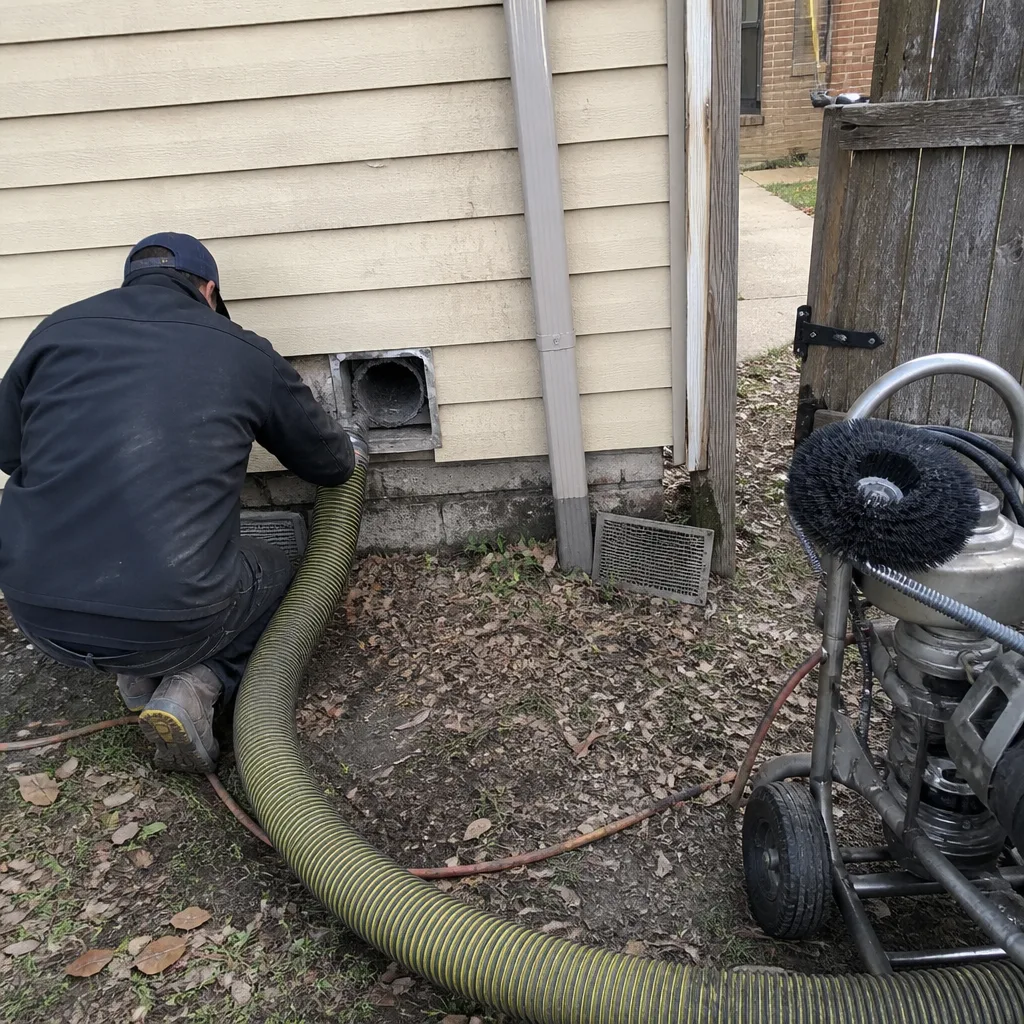 Before
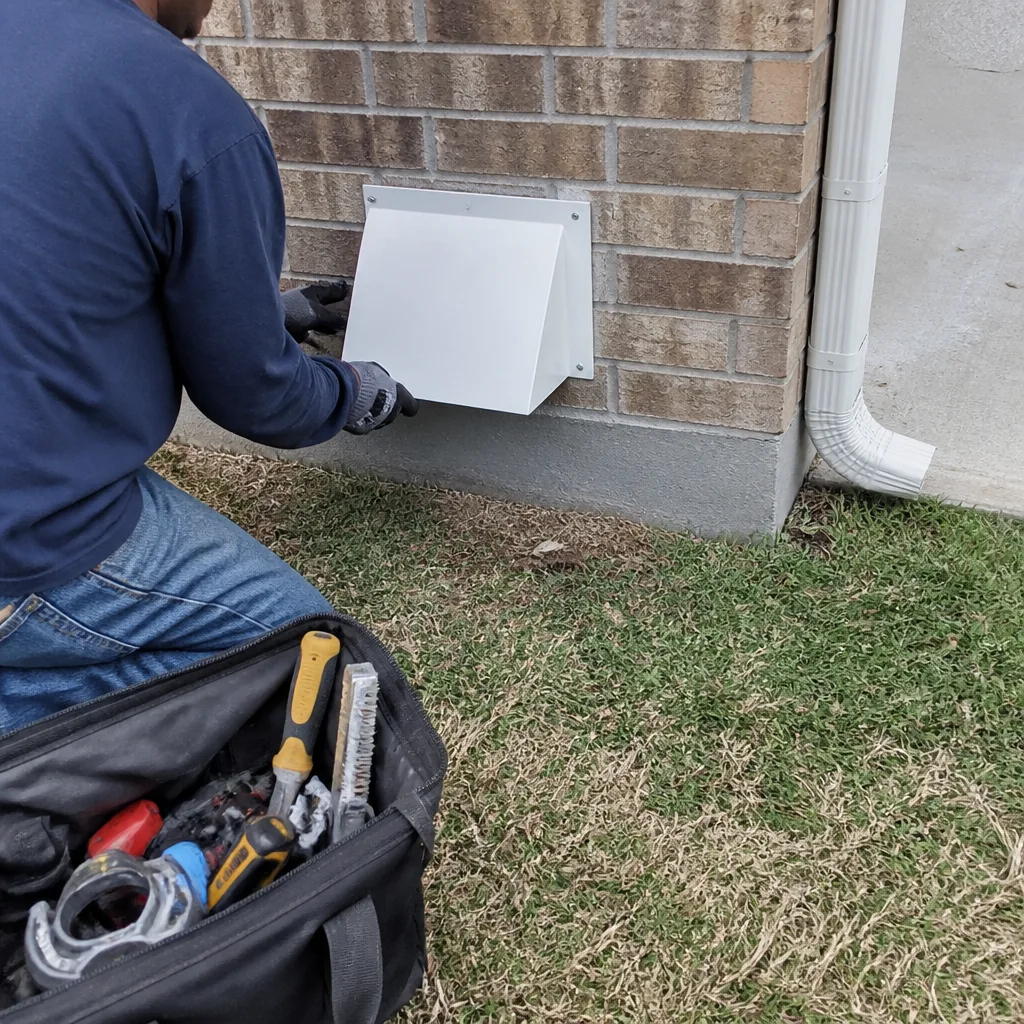 After
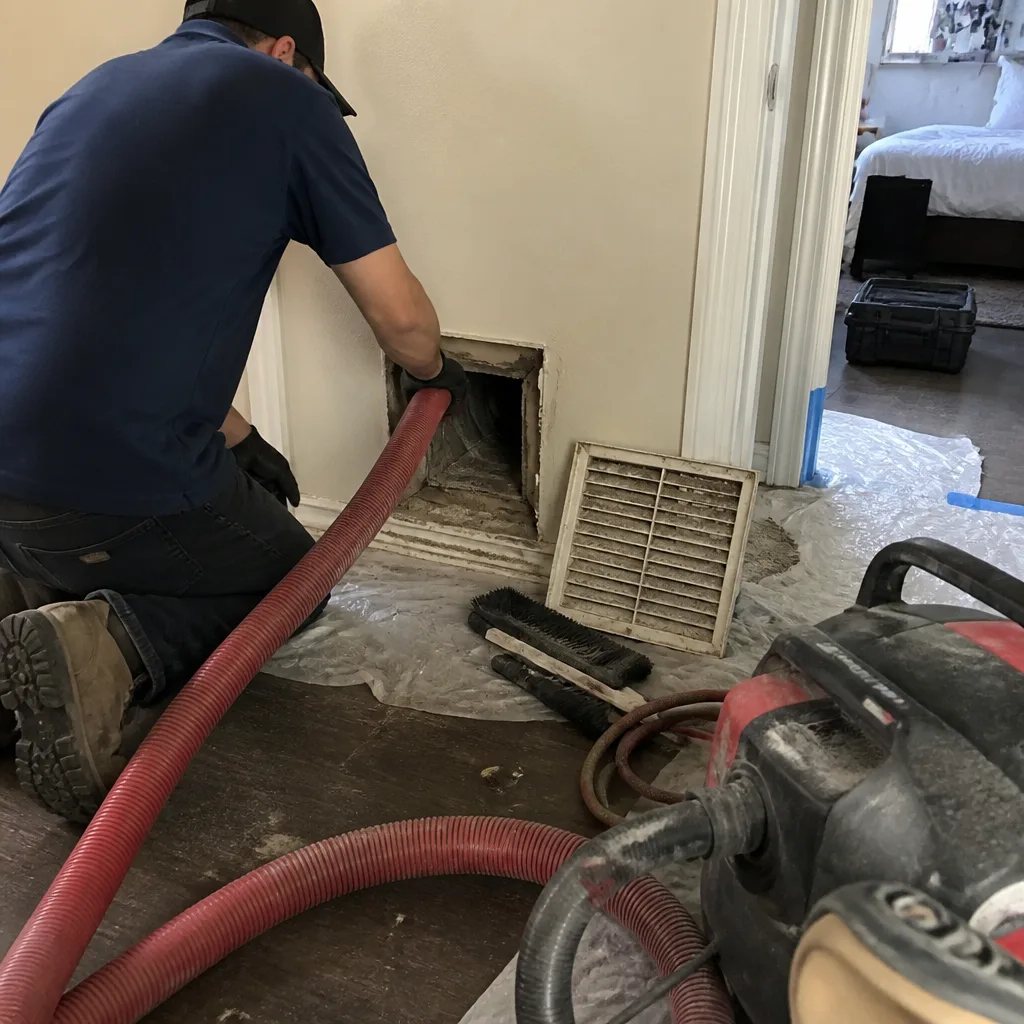 Before
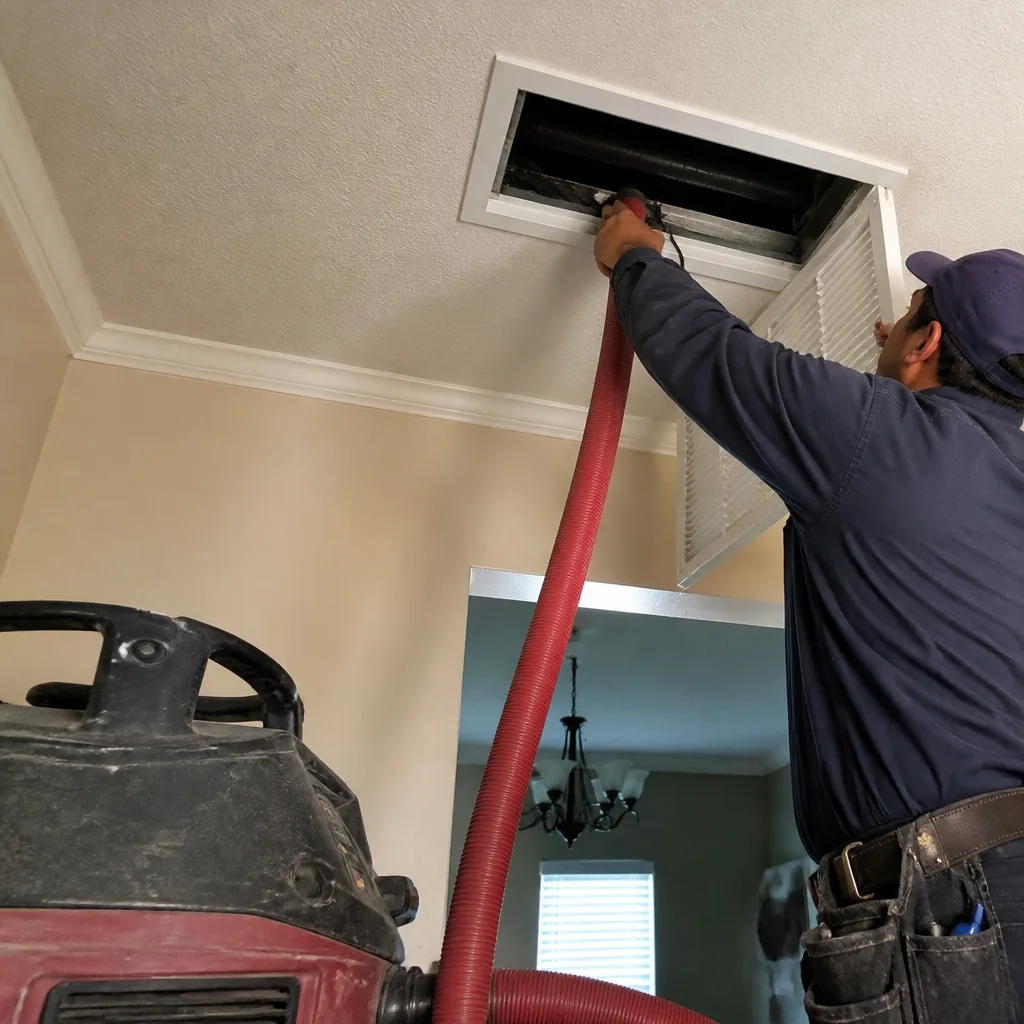 After
 Before
 After
DIY vs Professional Air Duct Cleaning: The Lewisville Homeowner’s Decision Guide
A shop vac attached to a register opening in a Lewisville home pulls debris from exactly two places: the grille face and the first elbow. That’s roughly 18 inches of ductwork in a system that typically runs 150 feet or more. The return plenum above your hallway ceiling, the air handler cabinet in your attic, and the trunk line feeding eight rooms through the crawl space? None of those are reachable from a register opening. They require duct access panels and equipment that moves 2,000 CFM of negative pressure. This guide maps where DIY ends and our Air Duct Cleaning services begin, not by price, but by geometry.
Quick Answer
DIY duct cleaning handles surface-level maintenance: grille faces, visible register throats, and filter replacement. Professional cleaning reaches the return plenum, trunk lines, air handler cabinet, and deep duct runs using negative-pressure extraction systems rated at 2,000+ CFM with HEPA containment. For Lewisville homes built 2015-2025, the dividing line is physical access, not cost ambition.
Table of Contents
- What DIY Actually Reaches in a Standard Lewisville Duct System
- How Professional Negative-Pressure Equipment Actually Works
- DIY Maintenance That Genuinely Adds Value
- Building a Duct Condition Record: The Most Important Step Either Way
- When the DIY Ceiling Has Already Been Reached
- Cost Reality Check: What Lewisville Homeowners Actually Spend
- Common Mistakes to Avoid
- When to Call a Professional
- Frequently Asked Questions
BeforeAfterWhat DIY Actually Reaches in a Standard Lewisville Duct System
Most Lewisville homes built since 2015 use flexible ductboard or insulated flex-duct runs branching from a central trunk. The typical layout: a return grille in a central hallway pulls air through a large return plenum, past the air handler cabinet, and distributes conditioned air through supply trunk lines to individual room registers. Understanding this geometry matters because access points determine what any cleaning method can achieve.
Here’s what a homeowner with consumer equipment can physically touch:
- Supply register grilles: The visible face and the 6- to 12-inch throat behind it. A vacuum with a brush attachment removes dust buildup here. This is where the camera-ready debris lives, but it’s not where systemic contamination accumulates.
- Return grille faces: Often larger and more dust-laden than supply registers, but the return duct behind it extends 10 to 30 feet to the plenum with no access point.
- Filter slot: The easiest and most impactful DIY maintenance point. A clogged filter restricts airflow and forces debris past the filter into the air handler.
- Air handler exterior: The cabinet surface and immediate surroundings. The interior coils, blower assembly, and drain pan require panel removal and specialized cleaning.
What DIY cannot reach:
- The return plenum: A large sheet-metal box, often 2×3 feet or larger, situated above the hallway or in the attic. It’s the collection point for all return air and accumulates the heaviest debris load. No register opening connects to it directly.
- Supply trunk lines: The main arteries running through attics or crawl spaces. Individual flex-duct branches tap into these trunks. A shop vac at a register pulls negligible airflow past the first branch connection.
- Air handler cabinet interior: The evaporator coils, blower wheel, and secondary drain pan. These components require panel removal and often refrigerant line awareness to avoid damage.
- Duct runs past the first elbow: In Lewisville’s newer subdivisions like Castle Hills and Valley Vista, duct runs often include multiple elbows to navigate second-story framing. Each elbow reduces airflow and traps debris beyond DIY reach.
The climate factor matters here too. Lewisville sits in the Cross Timbers ecological region with clay-heavy soils that produce fine particulate during dry spells. That particulate enters return systems at higher rates than in sandy-soil regions, meaning the return plenum and trunk lines accumulate faster than the supply side. A shop vac at the register never sees this loading.
How Professional Negative-Pressure Equipment Actually Works
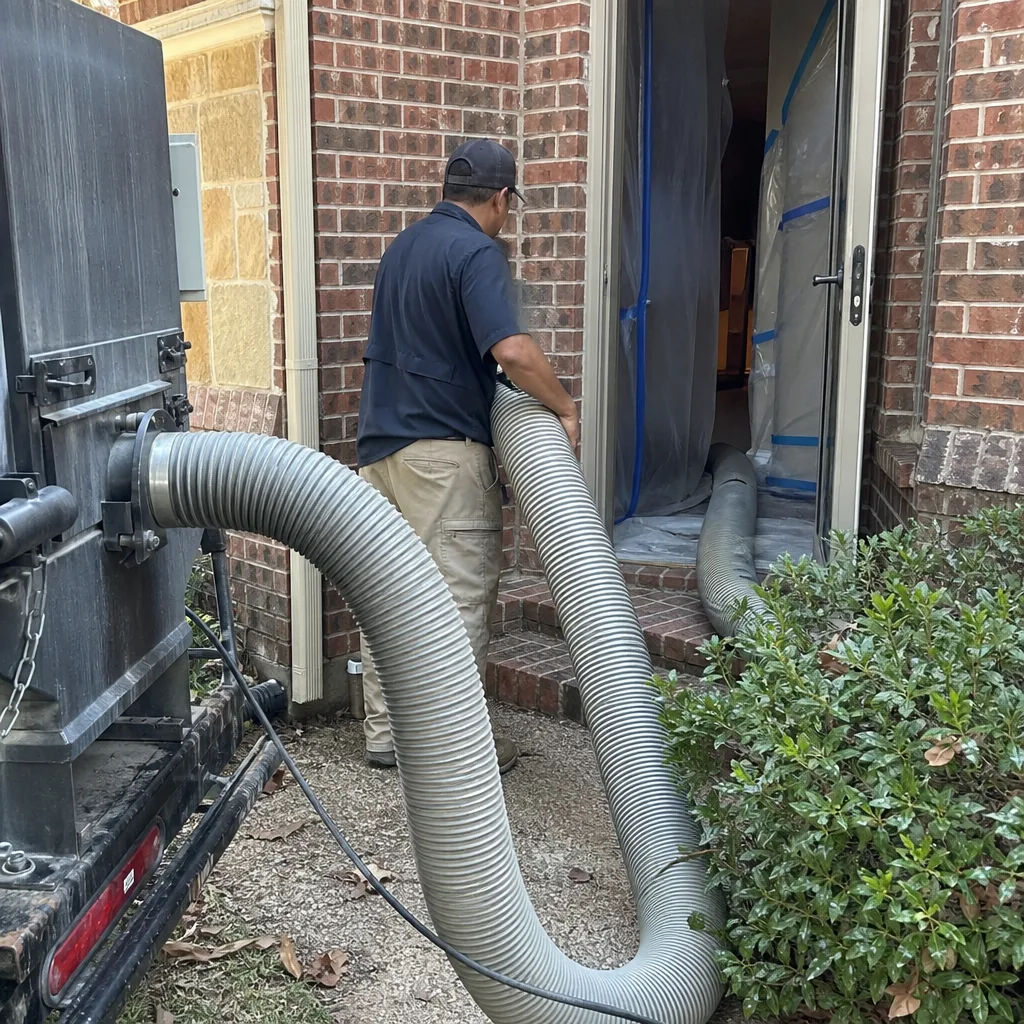
Negative-pressure duct cleaning isn’t marketing language. It’s a specific mechanical process with measurable thresholds. Understanding the difference between professional systems and rental or consumer equipment clarifies why the geometry problem described above requires more than a longer hose.
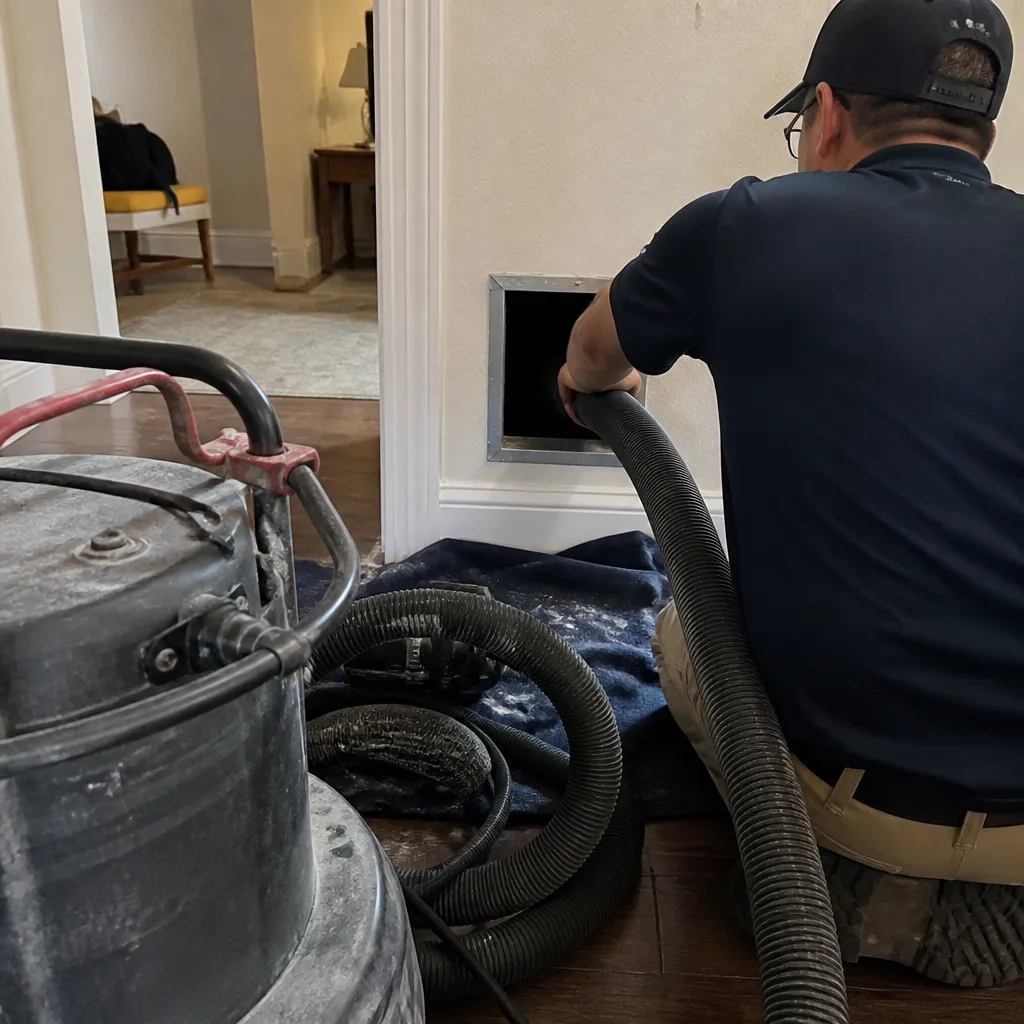
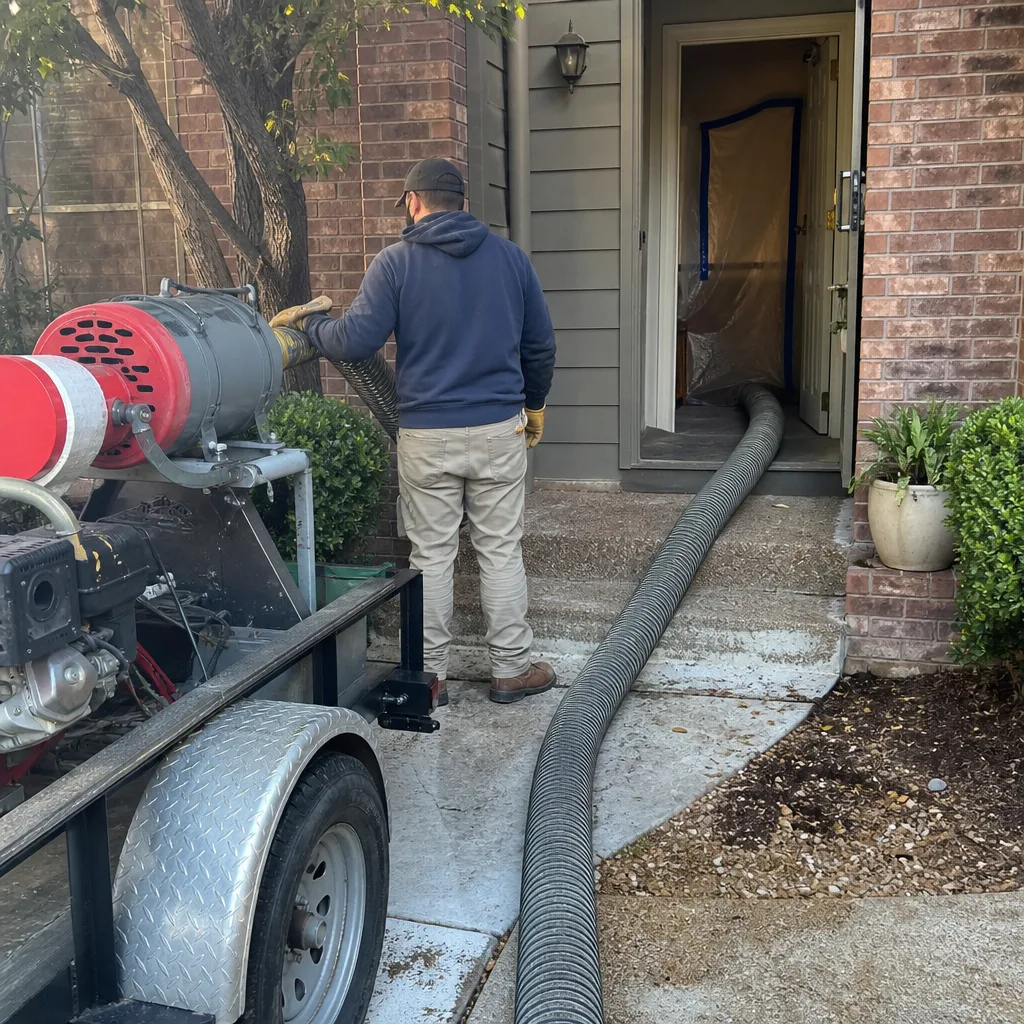
The CFM threshold: True negative-pressure containment requires airflow sufficient to overcome the system’s static pressure and maintain suction at the farthest duct run. Professional truck-mounted or portable systems from manufacturers like Abatement Technologies and Nikro operate at 2,000 to 5,000 CFM. A typical shop vac generates 80 to 150 CFM. A rental carpet extractor with a duct attachment might reach 500 CFM. None of these create the pressure differential that keeps disturbed debris suspended and moving toward the collection point rather than settling back into the duct.
What happens when negative pressure is insufficient: Disturbed debris that isn’t captured becomes airborne within the duct system. Without adequate CFM, it resettles in downstream sections, often deeper in the system than where cleaning began. We’ve documented this in Lewisville homes where a homeowner’s DIY attempt preceded our visit; the camera showed debris redistribution patterns consistent with agitation without extraction.
HEPA containment: Professional systems exhaust through HEPA filtration rated at 99.97% efficiency at 0.3 microns. This matters in Lewisville’s newer construction, where tighter building envelopes mean less dilution of indoor particulate. A shop vac exhausts through its standard filter, reintroducing fine dust to the living space.
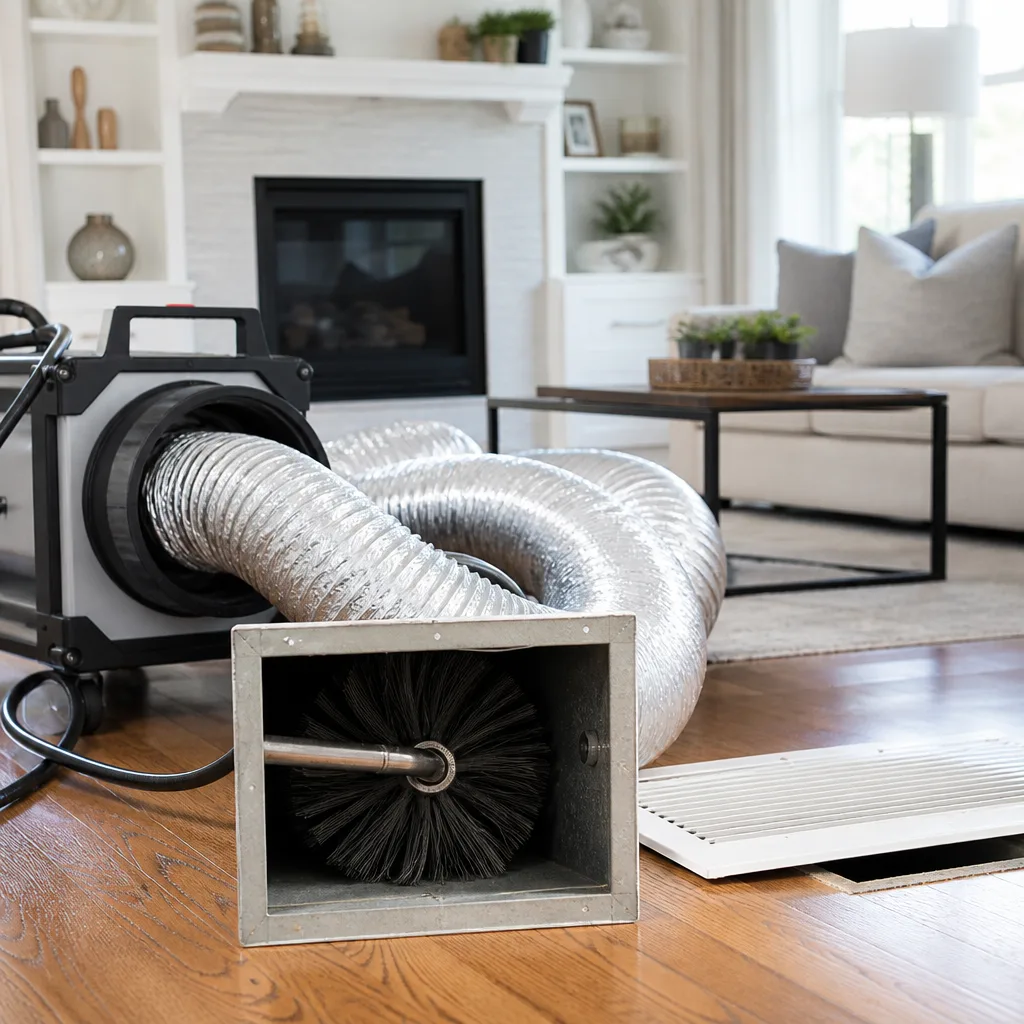
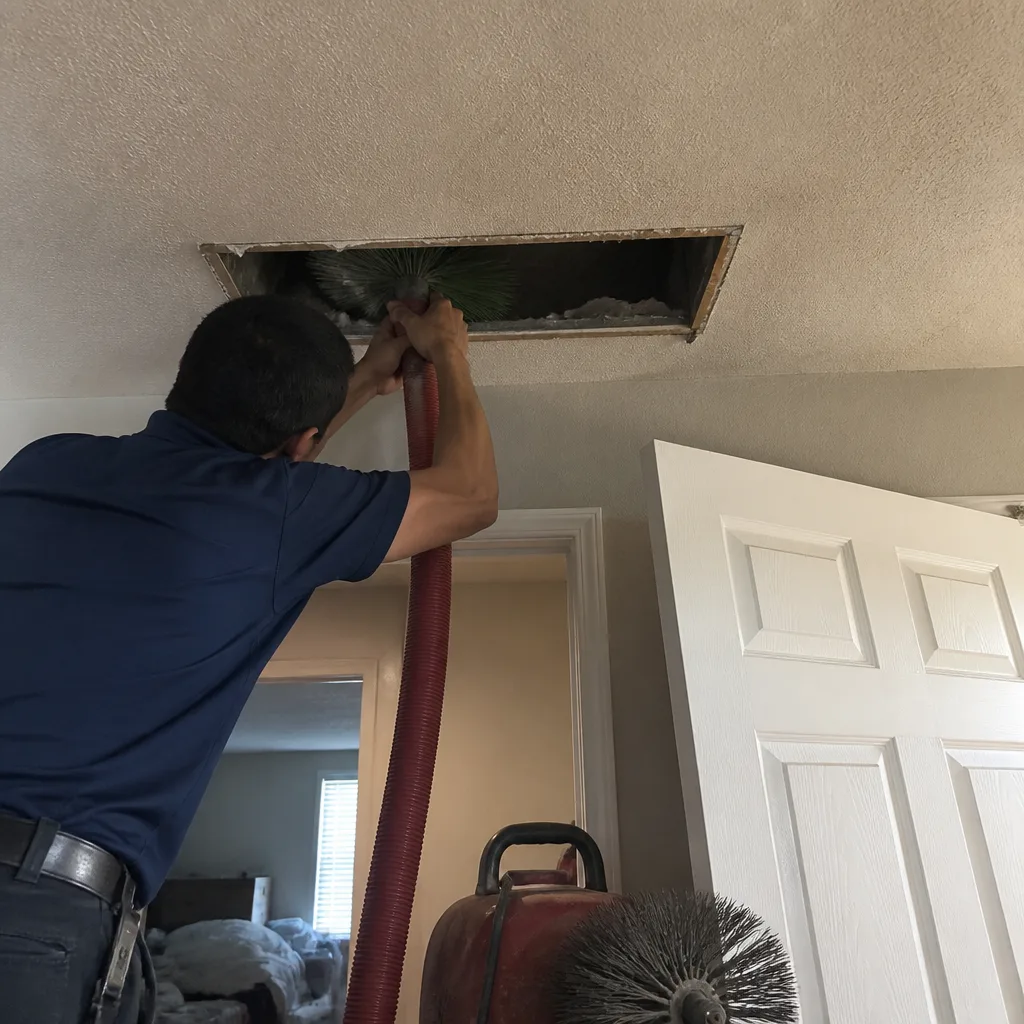
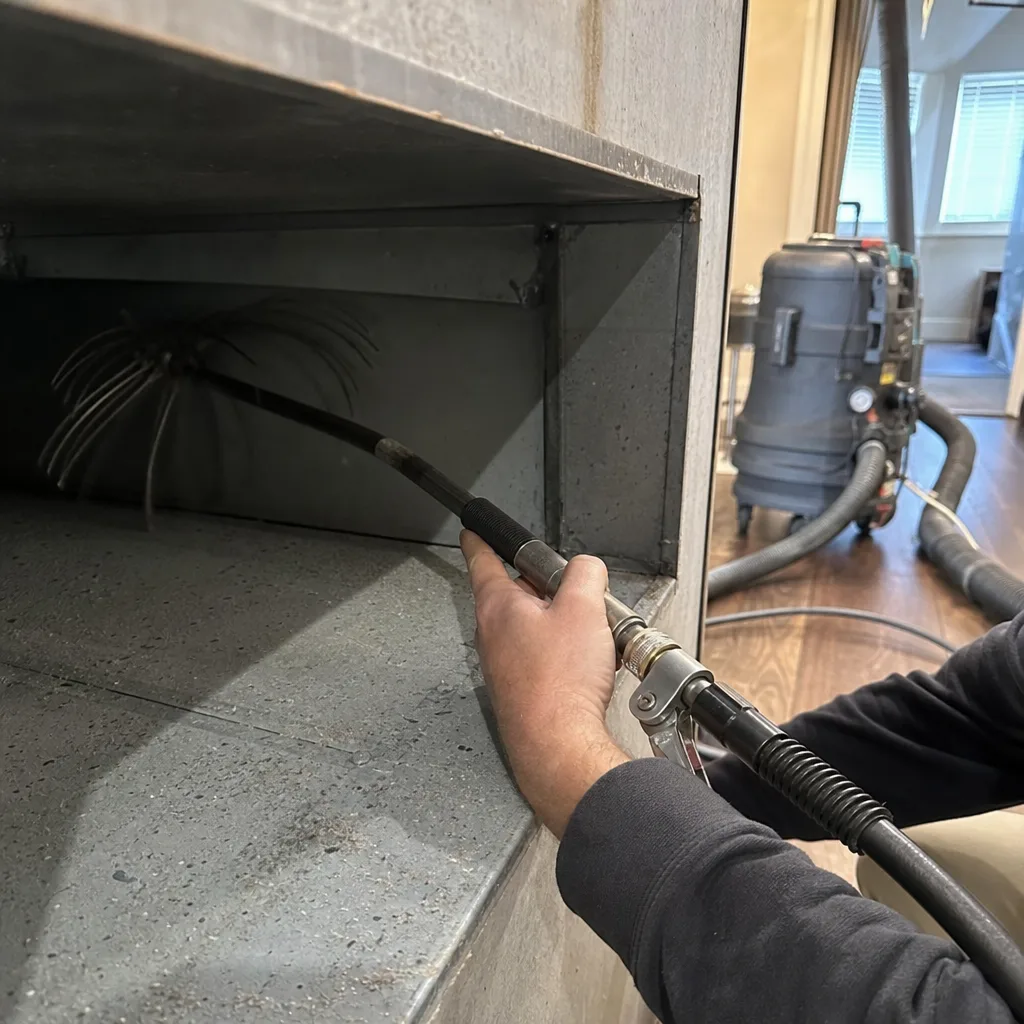
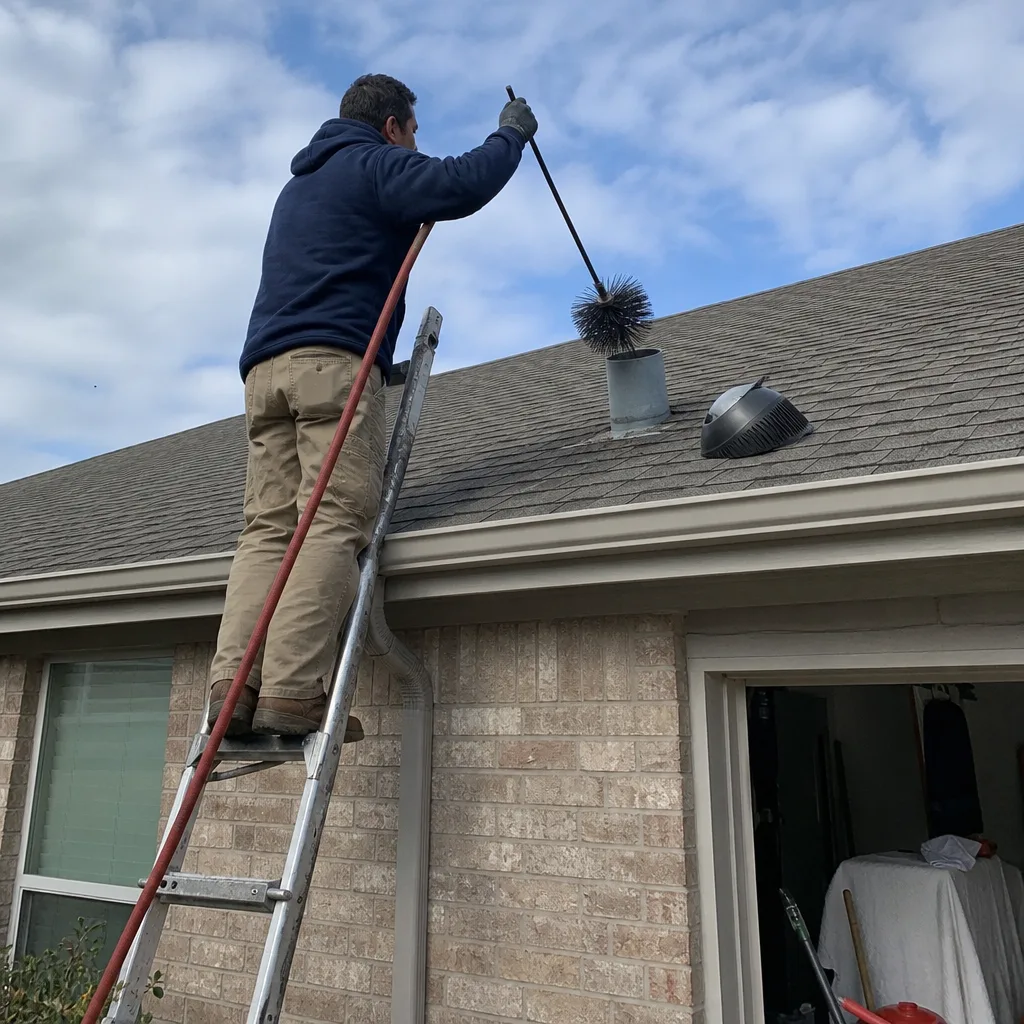
Access tools: Professional cleaning requires cutting access panels into trunk lines and plenum boxes, then sealing them to SMACNA standards afterward. These panels allow agitation tools, like Rotobrush mechanical brushes or compressed-air whips, to reach the full duct run. Consumer equipment has no equivalent access method.
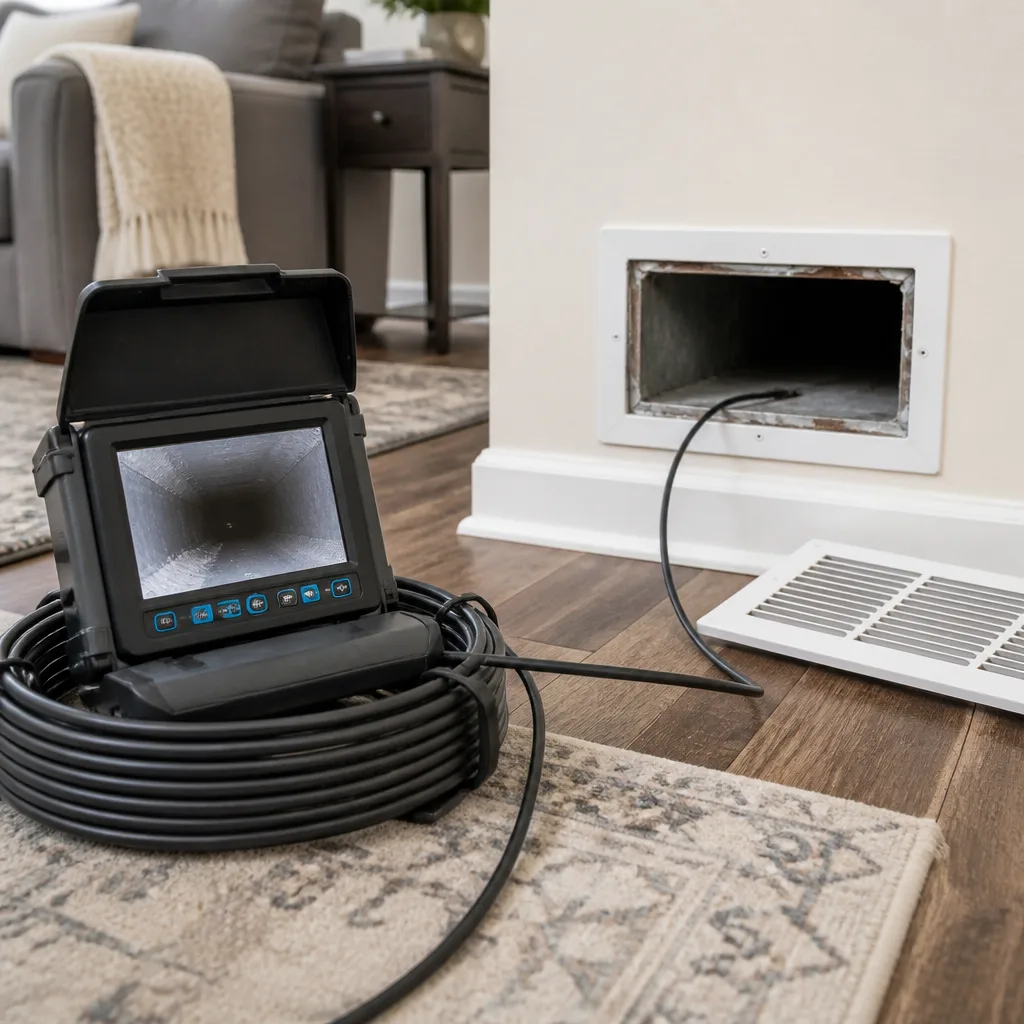
The documentation difference: Professional work includes a Documented Photo Record of every duct run, before and after. CleanRun has held this practice since 2013. The photos show not just cleanliness but access points, panel placement, and system condition. This record becomes part of the home’s maintenance history and supports the 365-Day Done Right Promise.
DIY Maintenance That Genuinely Adds Value
DIY duct work isn’t worthless. It’s misapplied. Three specific tasks deliver real value without requiring professional equipment or risking system damage.
- Grille and register face cleaning. Remove grilles quarterly. Wash with mild detergent and dry completely before reinstallation. Vacuum the visible throat with a brush attachment. This prevents surface dust from becoming airborne when the system cycles on. In Lewisville’s pollen-heavy spring seasons, monthly grille cleaning reduces visible dust circulation.
- Filter replacement on schedule. The most cost-effective maintenance any homeowner performs. For standard 1-inch pleated filters in Lewisville’s climate, replacement every 60 to 90 days during heavy HVAC use. Homes near I-35E or the Sam Rayburn Tollway corridor, with higher traffic particulate, may need more frequent changes. Use a dated sticker on the filter frame to track intervals.
- Visual documentation of accessible sections. A smartphone photo of the register throat, taken annually, builds a condition record. If debris buildup accelerates between inspections, that pattern indicates upstream issues (filter bypass, return leaks, or air handler problems) that professional scope should address.
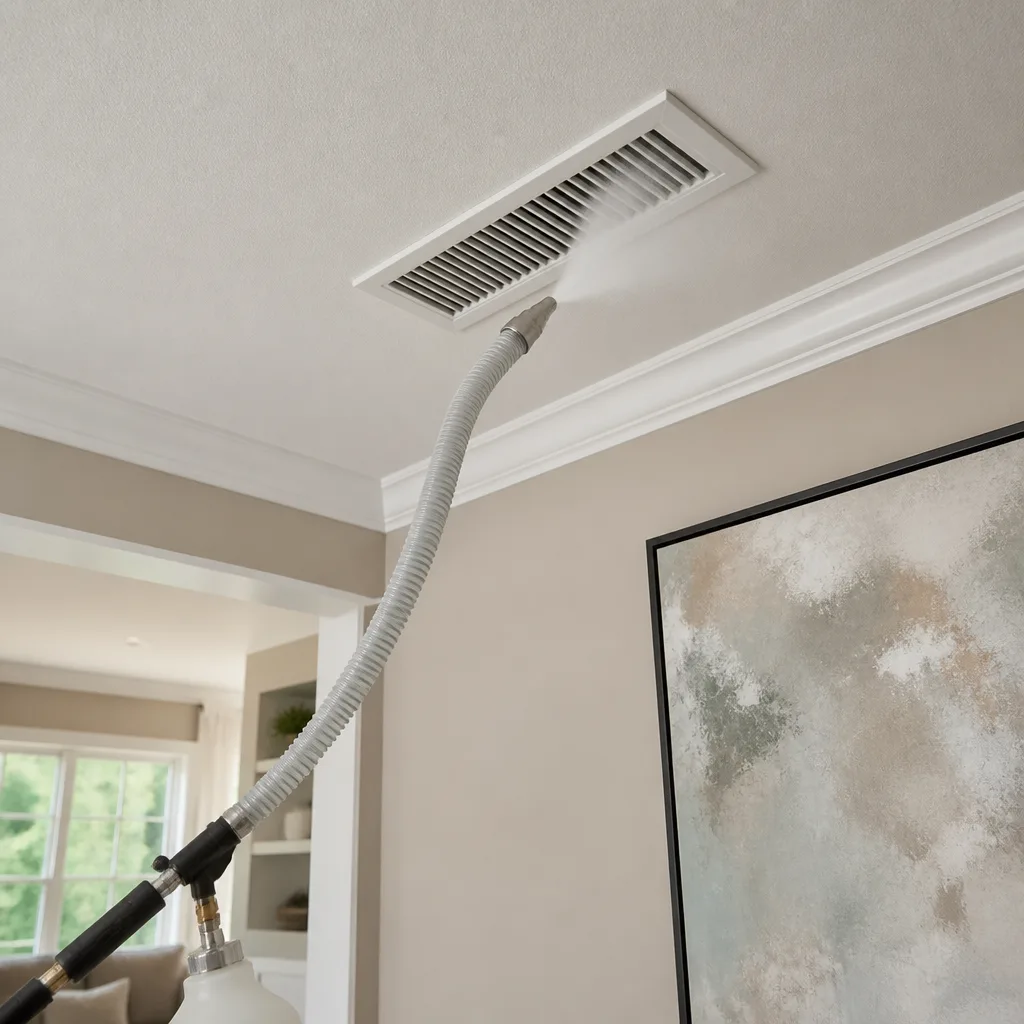
What to skip: compressed air at register openings, bleach or chemical sprays into ducts, and any attempt to access the air handler cabinet beyond filter replacement. These actions risk damage, contamination spread, or personal injury from electrical components.
Building a Duct Condition Record: The Most Important Step Either Way
Whether you clean ducts yourself or hire Air Duct Cleaning in Lewisville, the single most impactful action is documentation. A duct condition record serves three purposes: it establishes baseline condition, it validates that work occurred, and it creates accountability for future service.
Step 1: Photograph before any disturbance. Remove the register grille. Photograph the throat, the elbow interior if visible, and the duct direction (straight, up, down, or angled). Include a date stamp. Store in a dedicated home maintenance folder.
Step 2: Record filter specifications and change dates. Note the MERV rating, dimensions, and manufacturer. Higher MERV filters (11-13) capture more particulate but restrict airflow; in Lewisville’s cooling-dominant climate, excessive restriction strains blower motors. Track whether filter changes correlate with visible duct condition changes.
Step 3: Document any professional work received. Written scope, written price, and photo record. CleanRun delivers these as standard deliverables under Haven Standard Clause 1: Written Price Before Any Work Starts. If a contractor cannot produce documentation, the work cannot be verified.
Step 4: Annual comparison. Re-photograph the same register throats each year. Debris accumulation rate indicates system health. Rapid buildup suggests return-side leaks or air handler issues. Slow, steady accumulation is normal and predictable.
This record becomes particularly valuable in Lewisville’s active real estate market. Homes in neighborhoods like Old Town Lewisville and The Highlands turn over frequently. A documented duct maintenance history, with dated photos and professional scopes, differentiates a property at sale and protects sellers from post-inspection disputes. For How to Hire a Air Duct Cleaning Contractor in Lewisville: A Step-by-Step Guide, see our detailed walkthrough.
When the DIY Ceiling Has Already Been Reached
Certain conditions in a Lewisville home mean the accessible zone is irrelevant. Professional scope with documented results is the only path to a verifiable outcome.
Recent renovation (2015-2025 construction or remodeling): New construction debris, drywall dust, and insulation fragments enter duct systems during building. These materials are fine enough to pass through standard filters and deposit throughout trunk lines and plenums. A shop vac at the register cannot extract construction particulate from a 30-foot flex-duct run.
Visible microbial growth: Any discoloration on register faces, grille backs, or visible duct sections that appears organic rather than dust-based. Lewisville’s humidity, particularly in homes with crawl space ductwork, supports conditions where surface cleaning spreads rather than removes biological material. This requires professional assessment, not DIY treatment.
Post-pest activity: Rodent or insect presence in duct systems leaves debris, nesting material, and biohazards beyond register throats. The entry point is rarely the register; it’s a trunk line gap or plenum penetration. Consumer equipment cannot sanitize or document the full affected zone.
HVAC performance complaints: Uneven heating or cooling, excessive dust, or musty odors that persist after filter replacement indicate upstream issues. Restricted return plenums, contaminated coils, or leaking trunk lines cause these symptoms. Register-level cleaning doesn’t address the source.
Home purchase with unknown history: Lewisville’s growth means many homeowners are first-time occupants of relatively new construction with no maintenance records. A professional baseline assessment with photo documentation establishes what the system actually contains, not what the previous owner claimed.
Cost Reality Check: What Lewisville Homeowners Actually Spend
The duct cleaning industry’s pricing opacity creates legitimate consumer skepticism. This section names actual numbers for the Lewisville market based on system configurations we encounter.
DIY equipment costs:
- Quality shop vac with HEPA filter: $150-$300
- Register cleaning brushes and attachments: $25-$50
- Annual filter costs (4-6 changes): $60-$120
- Total first-year DIY investment: $235-$470
Professional air duct cleaning in Lewisville:
- Standard single-system home (1,800-2,500 sq ft): $450-$750
- Larger home or dual-zone system (3,000+ sq ft): $700-$1,100
- Add-on services: dryer vent cleaning ($150-$250), HVAC Cleaning in Lewisville including coil and blower ($200-$350)
The price difference is not the gap that matters. The gap is deliverables. Professional service includes:
- Written price before work starts (Haven Standard Clause 1)
- Documented Photo Record of every duct run, before and after
- 365-Day Done Right Promise in writing
- Equipment verification: Rotobrush, Nikro, Abatement Technologies, or Guardsman systems
- Background-checked, uniformed technicians identified by name before arrival (Haven Standard Clause 3: Verified Crews)
The $79 coupon model that dominates search advertising operates differently. It quotes a teaser price for “unlimited vents” or “whole house cleaning,” then presents additional charges on arrival for “main trunk lines,” “return plenums,” or “sanitizing.” The final invoice often exceeds professional upfront pricing while delivering less documentation.
CleanRun’s approach, established in 2013 and maintained across 52,000+ homes: one flat price per system, agreed in writing before a single panel comes off. No per-vent pricing. No post-arrival upsells. The photo record shows what was done. The written price shows what was paid.
Common Mistakes to Avoid
- Assuming register cleaning equals duct cleaning. The visible grille is the tip of the iceberg. In Lewisville’s newer homes with 8-foot ceilings and attic ductwork, the register throat represents less than 5% of total duct surface area.
- Using chemical sprays or fogging products without professional assessment. Unlabeled chemical application in ducts violates EPA guidelines and can damage flex-duct liners. Lewisville’s hard water also reacts with some products to leave residue.
- Accepting a verbal estimate or phone quote. Without seeing the system layout, filter location, and access points, any price is speculative. CleanRun provides written pricing on-site after inspection, not before arrival.
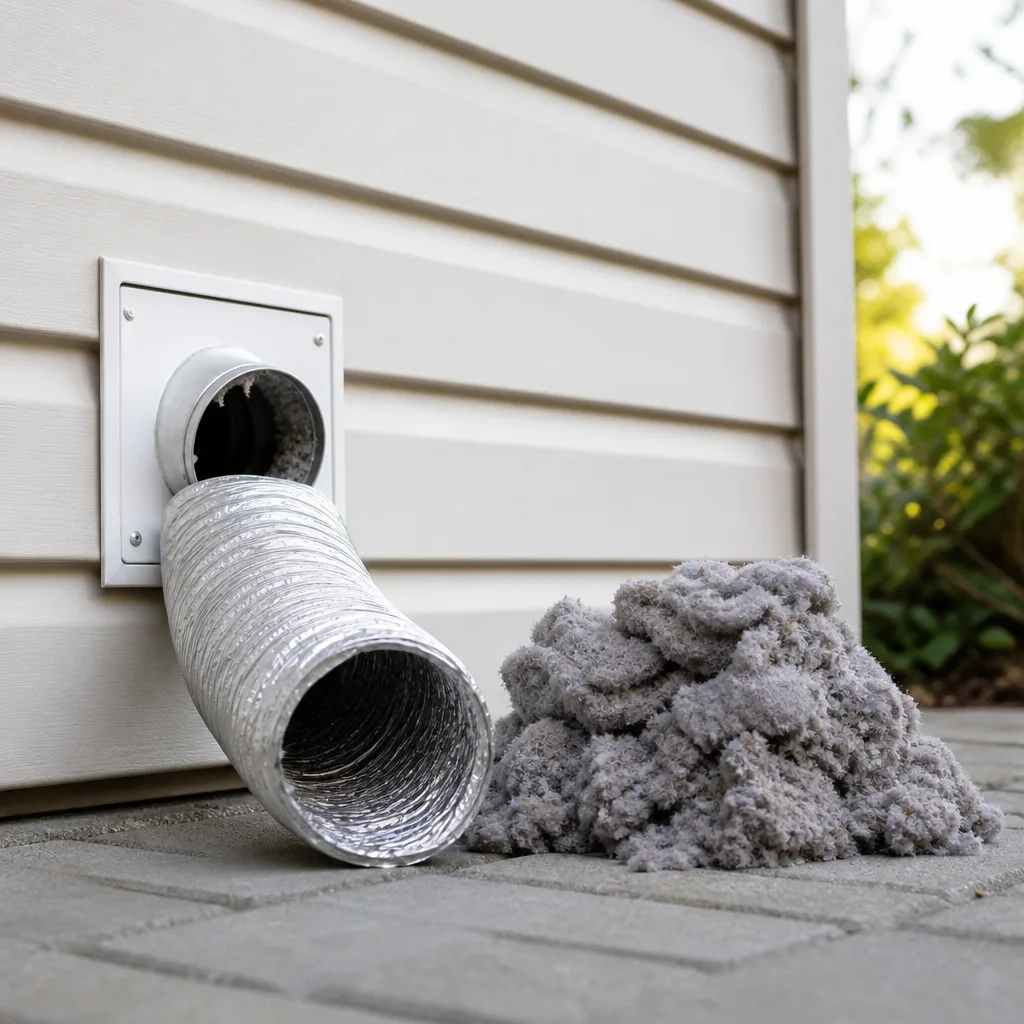
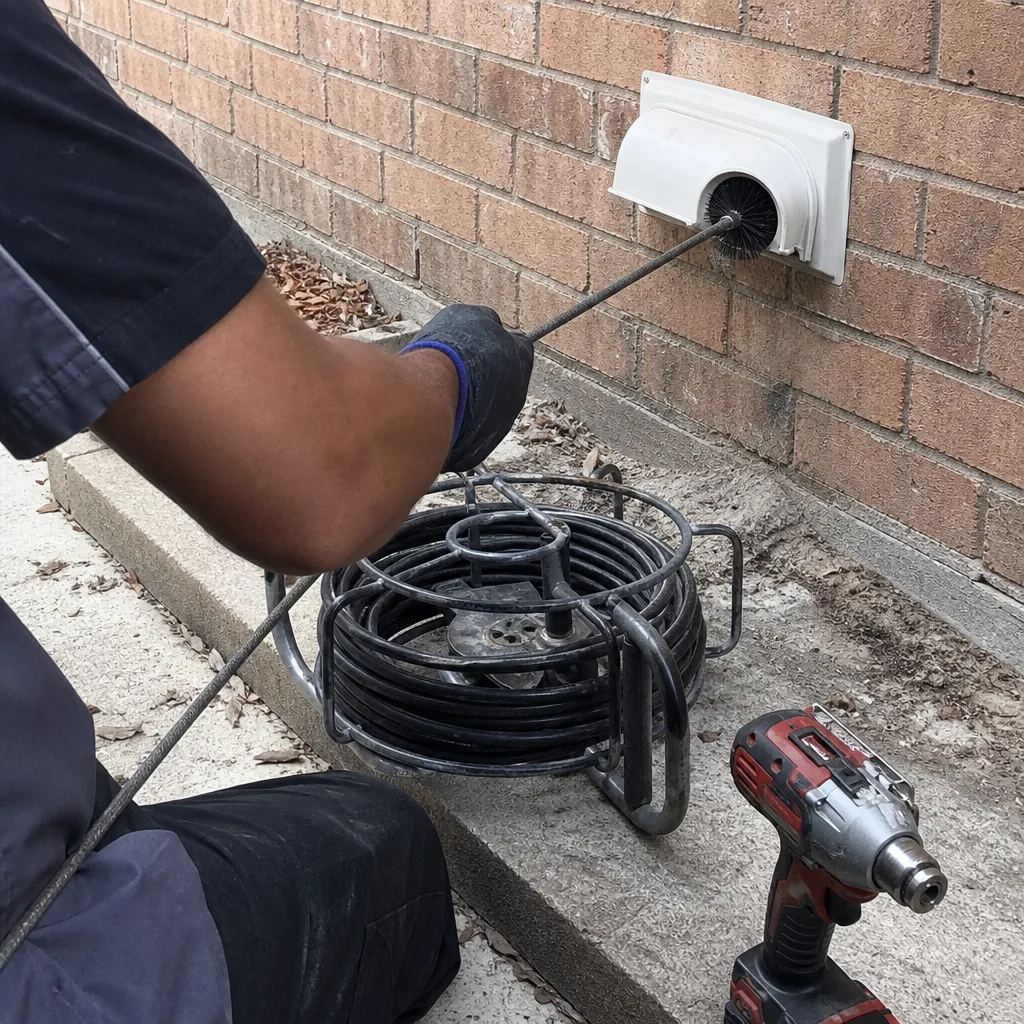
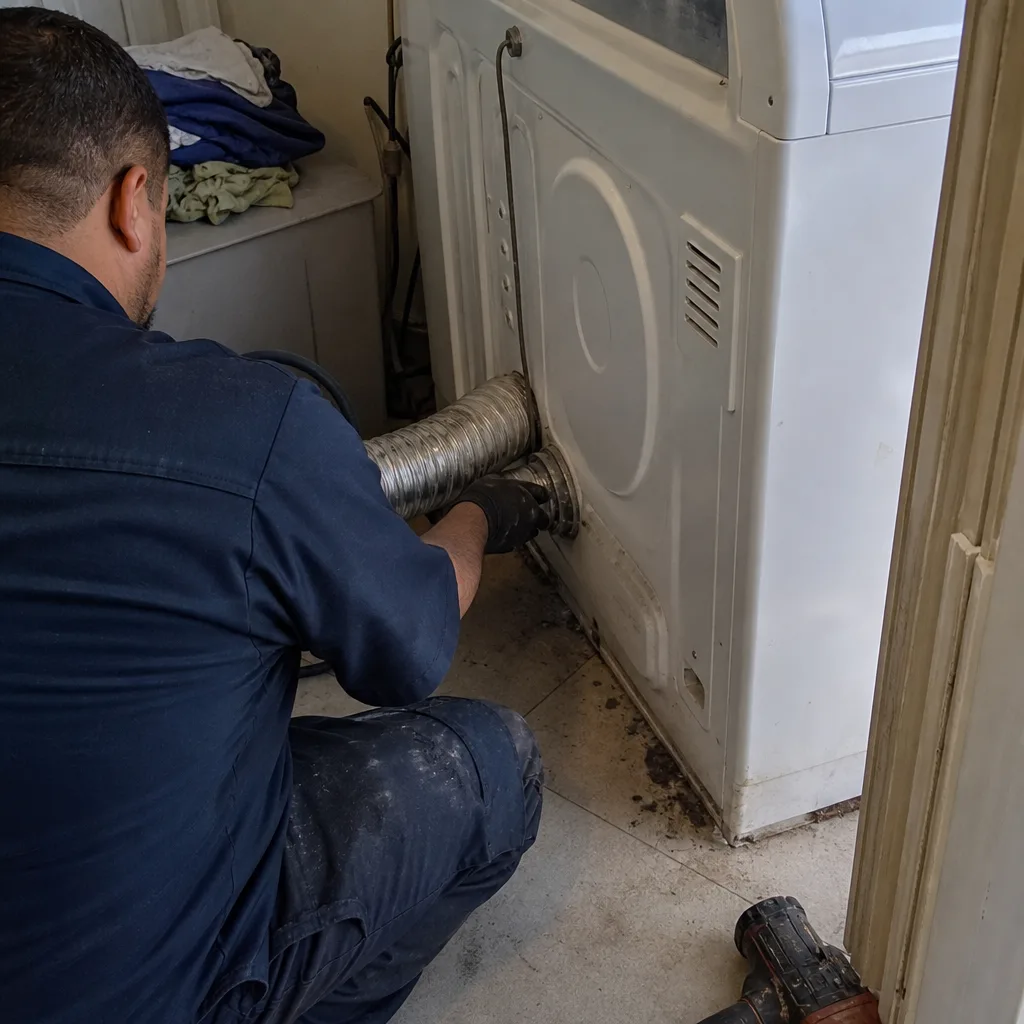
- Ignoring the dryer vent. A clogged dryer vent creates fire risk and back-pressures moisture into duct systems. Dryer Vent Cleaning in Lewisville is a separate scope from duct cleaning but equally critical for system health.
- Cleaning without photographing first. The “after” photo is meaningless without a dated “before.” This applies equally to DIY and professional work. Demand documentation.
- Delaying after visible debris or pest evidence. Particulate loads compound over time. Restricted airflow strains blowers and reduces coil efficiency. In Lewisville’s cooling-intensive climate, that inefficiency translates directly to summer electric bills.
- Hiring based on lowest price without equipment verification. Ask what system will be used: manufacturer, model, CFM rating. Brands like Abatement Technologies and Guardsman publish specifications consumers can verify. A contractor who cannot name their equipment cannot document their work.
When to Call a Professional
Call a professional when the condition exceeds your physical access, when documentation is required for real estate or warranty purposes, or when health symptoms correlate with HVAC cycles. The scenarios in “When the DIY Ceiling Has Already Been Reached” above are non-negotiable thresholds.
CleanRun Air Duct Cleaning Lewisville offers free estimates in Lewisville. Every estimate includes a written price before any work starts, under Haven Standard Clause 1. Technicians are background-checked, uniformed, and identified by name before arrival. Every job concludes with a Documented Photo Record and carries the 365-Day Done Right Promise. Call (940) 240-8552 to schedule.
Frequently Asked Questions
Professional air duct cleaning for a standard Lewisville home ranges from $450 to $750 for single-system residences between 1,800 and 2,500 square feet. Larger homes or dual-zone systems typically run $700 to $1,100. CleanRun provides a written price before any work starts, with no per-vent add-ons. Call (940) 240-8552 for an exact quote on your system.
The $79-$149 coupon model quotes a teaser price for limited scope, then charges additional fees on arrival for trunk lines, plenums, or sanitizing. The final invoice often exceeds upfront professional pricing. Always request a written scope with line-item pricing before scheduling. CleanRun’s Haven Standard Clause 1 prohibits this practice: one flat price per system, agreed in writing before work begins.
Demand a documented photo record showing the inside of every duct run before and after cleaning. CleanRun includes this as a standard deliverable on every job, a practice held since 2013. Without photos, any claim of “clean” is unverifiable. Ask your contractor specifically: “Will I receive dated before-and-after photos of every duct run?”
For typical Lewisville homes with standard filter maintenance, every 3 to 5 years is sufficient. Homes near major corridors (I-35E, Sam Rayburn Tollway), with recent renovation, or with pets may need more frequent service. Annual filter changes and quarterly grille cleaning extend intervals. A documented photo record lets you judge condition objectively rather than relying on calendar schedules.
A shop vac cleans register grilles and the first 12 to 18 inches of duct throat. It cannot reach return plenums, trunk lines, air handler cabinets, or duct runs past the first elbow. For surface maintenance, yes. For systemic cleaning, no. The geometry of residential duct systems prevents consumer equipment from achieving professional scope.
Air duct cleaning addresses the distribution network: supply and return ducts, plenums, and registers. HVAC cleaning includes the air handler components: evaporator coils, blower assembly, and drain pan. In Lewisville’s cooling-dominant climate, dirty coils reduce efficiency measurably. HVAC Cleaning in Lewisville addresses these components as a separate or add-on scope to duct cleaning.
The Bottom Line
The DIY versus professional duct cleaning question resolves to access, not cost. Consumer equipment reaches register faces and shallow throats. Professional negative-pressure systems with proper access tools reach plenums, trunk lines, and full duct runs, documented with before-and-after photos. For Lewisville homeowners, the decision framework is straightforward: maintain what you can reach, photograph what you find, and call professional scope when the condition exceeds your access or when documentation matters. For more guides & resources on maintaining your system, explore our blog. The industry’s real risk isn’t DIY effort; it’s undocumented work at any price.
Written by Tomas Reyes, Owner at CleanRun Air Duct Cleaning Lewisville, serving Lewisville since 2013.